
Among Southeast Asians, Filipinos are most stressed at work, Singaporeans are the least engaged
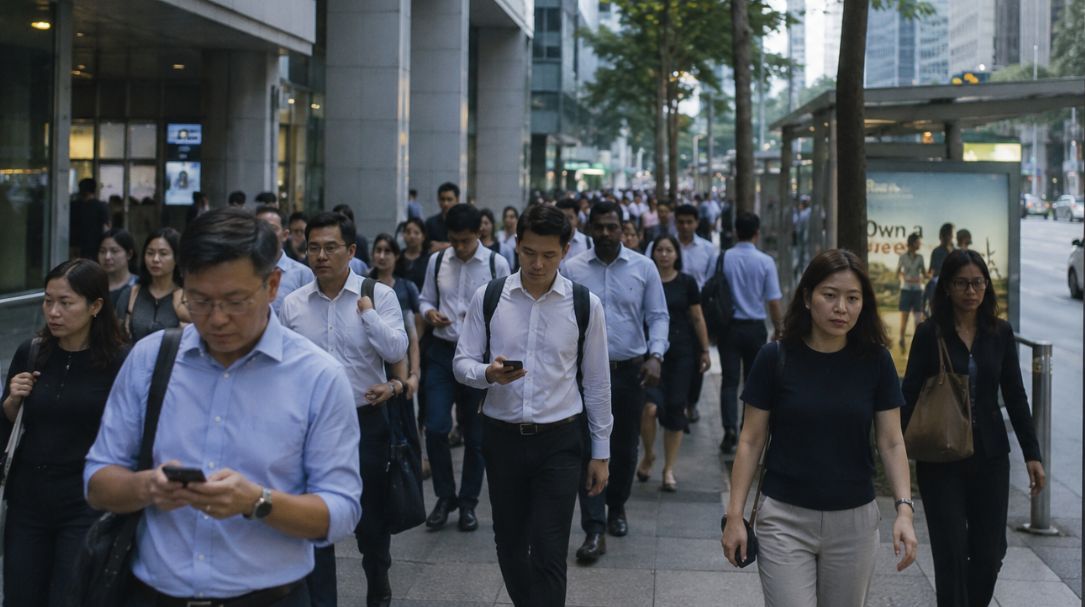
A new Gallup report found that Singapore has one of the lowest workplace engagement rates in Southeast Asia (for illustration purposes only)
SINGAPORE: According to Gallup’s State of the Global Workplace 2026 report, Filipinos are still the most stressed at work, in comparison to other Southeast Asian workers.
The latest report shows that 50% of Filipino workers say they experience daily stress. The average for Southeast Asian nations is only half of that, 25%, and the global average is 40%. In Singapore, meanwhile, 43% of workers had the same response.
Vietnam had the lowest number of workers who experience stress every day (13%), though Indonesia (14%), Malaysia (20%) and Thailand (25%) also had relatively low numbers of stressed workers.
The Philippines is an outlier when it comes to workplace stress, with the figure having gone up from 45% in 2022 to 50% in the latest poll.
In other countries in the region, the trend is the opposite. For example, in 2021, Vietnamese workers who reported daily stress was 35%, and in Thailand, it was 41%. Across the globe, with concerns over the pandemic having eased over time, the results have been the same, although this year has brought on multiple challenges, including economic uncertainty due to the Middle East conflict and AI’s disruption of work.
Singapore, meanwhile, has one of the lowest figures when it comes to workplace engagement, at only 14%. The trend is worrying as Singapore’s engagement has stagnated over the past few years, especially among younger workers, those under the age of 35.
In comparison, the Southeast Asian average is 25%, and the global average is 20%.
Gallup has pointed out that although workplace engagement has been low in Singapore, the city-state has achieved strong economic outcomes. However, it added that this does not mean engagement in the workplace is not important, but it does mean Singapore’s economy has not yet suffered the full consequences of worker disengagement.
“While Singapore’s GDP achieved robust 5% growth in 2025, the Ministry of Trade and Industry currently forecasts more modest GDP growth of 2% to 4%. In this context, low engagement may impede the country’s future growth as global market conditions become more challenging. Employee engagement is a bulwark against external market forces and a resource that organisations can utilise to sustain and boost organic growth,” Gallup wrote.
Enjoying this article?
Subscribe to get more stories like this delivered to your inbox.
Conversely, the Philippines has the highest worker engagement at 39%, while at the same time having high levels of stress. Gallup suggests this may mean that many Filipino workers are committed to their jobs, but are also working under substantial pressure. /TISG
Read also: Singapore has 3rd highest workplace stress in SEA
Senior Writer