
PH Lawyer suspended for one year over vulgar Facebook post defending brother

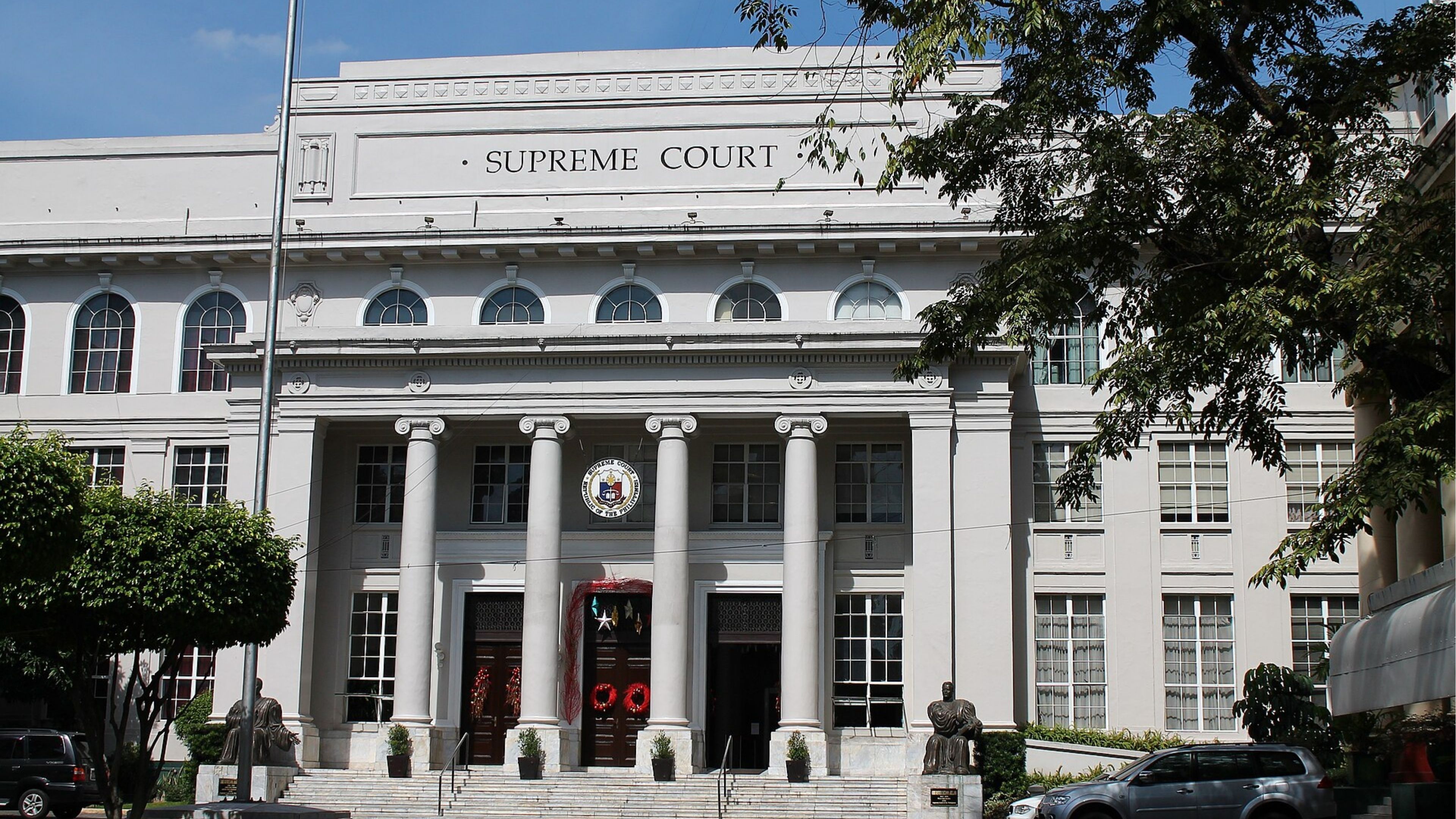
Supreme Court of The Philippines
PHILIPPINES: The Philippine Supreme Court (SC) has suspended lawyer and social media personality Jesus Nicardo Falcis III for one year. According to the Philippine News Agency (PNA), the SC found him guilty of simple misconduct over a vulgarity-laden social media post made while defending his brother.
The case stemmed from a qualified theft complaint filed by Kris Aquino against Falcis’ brother, Nicko. In response, Falcis took to social media, accusing critics of bias and writing: “Yung mga biased na dilawan dyan, halata kayo. Sa allegations ni Kris, paniwalang paniwala na kayo agad. Pero sa allegations namin na she threatened my brother, wala ako naririnig sa inyo? [redacted expletive] check your cognitive biases.”
In English, the post roughly translates to: “Those biased yellow supporters (political stance) out there, you’re obvious. With Kris’ allegations, you immediately believe them. But with our allegations that she threatened my brother, I haven’t heard anything from you? [redacted expletive] check your cognitive biases.”
Kris Aquino is a well-known Philippine celebrity, television host, and actress, and a prominent figure in the country’s political dynasty. She is the sister of former president Benigno “Noynoy” Aquino III and the daughter of former president Corazon “Cory” Aquino, which makes the complaint and the public attention it attracted especially high-profile.
How the complaint reached the Supreme Court
The post prompted Jason Gene Baltao, Aquino’s former business partner, to file a complaint against Falcis before the Integrated Bar of the Philippines (IBP), accusing him of conduct unbecoming of a lawyer.
The IBP found that Falcis had violated the Code of Professional Responsibility and Accountability (CPRA) through his use of offensive language and initially recommended a lighter penalty of a fine and reprimand. The Supreme Court’s Second Division, however, agreed with the IBP’s underlying findings but opted for a heavier penalty, suspending Falcis from the practice of law for one year.
What the Code of Professional Responsibility actually requires
In its ruling, the SC pointed to specific provisions of the CPRA that govern how lawyers must conduct themselves, both professionally and personally. Under Canon II, Section 4, lawyers are required to use dignified, gender-fair, child- and culturally sensitive language at all times, and are explicitly barred from using abusive, offensive, or improper language, whether spoken, written, or posted on social media.
The Court further cited Section 37 of the same Canon, which requires lawyers to ensure that their online posts, regardless of whether they're shared publicly or with a limited audience, uphold the dignity of the legal profession, protect it from disrepute, and maintain respect for the law. Section 36, the Court added, also requires lawyers to understand the benefits, risks, and ethical implications that come with using social media.
The SC noted that Falcis had other avenues available to defend his brother, observing that he could have presented legal arguments or cited relevant news reports about the case instead of resorting to the language he used.
Falcis defends his actions
Responding to the ruling, Falcis framed his post as an act of desperation rather than misconduct. “If being suspended is the price for defending my family, then it is a price I will pay in any lifetime,” he said.
He went on to describe the circumstances surrounding the original post, recalling the period between 2018 and 2019 when he said he was fighting for his brother’s life and liberty, as well as his family’s safety and reputation. “I felt helpless and powerless except for my small voice on social media,” he said. “We were nobodies, and I was screaming against the void.”
Falcis also acknowledged the Court’s authority over his profession, stating, “All lawyers are under the disciplinary power of the Court, and I am no exception.”
A bigger conversation: what about other lawyers?
The ruling has also sparked a wider debate online over whether the disciplinary standard applied to Falcis is being applied consistently, particularly to lawyers and public officials accused of far harsher rhetoric, including former president Rodrigo Duterte and current Vice President Sara Duterte, both of whom are lawyers themselves.
Enjoying this article?
Subscribe to get more stories like this delivered to your inbox.
One commenter argued that justice in the Philippines operates differently depending on one's status: “Ang hustisya sa Pilipinas para sa maliit at mataas na tao ay magkaiba. Pag Duterte ka, lusot ka. Hindi ka magagalaw ng hustisya,” which translates to, “Justice in the Philippines is different for the small and the powerful. If you’re a Duterte, you get away with it. Justice can’t touch you.”

Others picked up on the same comparison directly. “Yup, no exception. The Duterte’s is [sic] far more guilty that [sic] Atty. Jesus Falcis and should be punished accordingly,” one user on Facebook wrote.

Some commenters, meanwhile, voiced support for Falcis specifically, framing him as a consistent critic of the Duterte family and other officials accused of corruption. “Laban lang Atty. Jess! Please don’t stop being the staunchest critic of Dutertes and other corrupt officials of the government!” one supporter wrote (translating the Filipino portion of their message “tiwaling mga officials ng gobyerno”).
The comparisons show a frustration among segments of the Philippine public over perceived double standards in how accountability is applied, particularly between ordinary citizens or professionals like Falcis, and politically powerful families who critics argue have historically faced fewer consequences for inflammatory or offensive public statements.
Writer