
Philippines marks 10 years since South China Sea ruling, 14 nations reaffirm it's legally binding

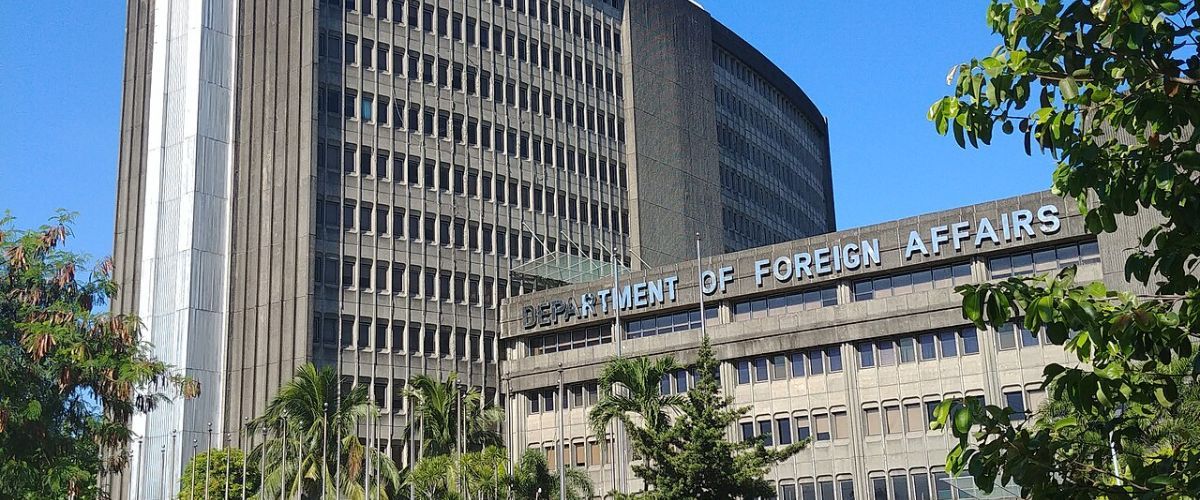
Photo: Philippine Department of Foreign Affairs
PHILIPPINES: A decade after the Philippines secured one of the most significant legal victories in the history of international maritime law, the country is marking the 10th anniversary of the 2016 South China Sea arbitral award with renewed resolve and a show of international solidarity.
According to the Philippine News Agency (PNA), the National Maritime Council (NMC) on Sunday reaffirmed that the July 12, 2016 ruling remains the Philippines’ strongest legal foundation for defending its rights in the West Philippine Sea, calling it “not merely a legal victory” but “a beacon that guides our national policy and collective action.”
What the ruling actually said
The arbitral tribunal, constituted under Annex VII of the United Nations Convention on the Law of the Sea (UNCLOS), ruled unanimously in favour of the Philippines in a case filed in 2013 challenging China’s expansive “nine-dash line” claim over virtually the entire South China Sea.
The award was sweeping in its scope. It declared that China’s claims based on so-called “historic rights” have no legal basis under international law. It affirmed that several disputed maritime features do not generate the extensive maritime zones that China had claimed for them, and it also found that China had violated the Philippines’ sovereign rights by interfering with fishing, petroleum exploration, and other lawful activities within the country’s exclusive economic zone, PNA reported.
China rejected the ruling immediately and has continued to do so ever since, maintaining its claims and pressing them with increasing assertiveness through coast guard vessels, maritime militia, and repeated confrontations with Philippine ships.
“It belongs to every Filipino”
The NMC framed the anniversary as a national rather than partisan moment, explicitly stating that the award’s legacy “does not belong to any administration, institution, or political party.”
“It belongs to us all, as we strive to do our best to ensure that our youth and all future generations inherit not just the responsibilities but the benefits as well of being citizens of a great maritime nation,” the council was quoted as saying by PNA.
The statement shows a deliberate effort to separate the ruling and its ongoing significance from domestic politics.
14 countries issue a joint statement
The anniversary drew a notable international response. A joint statement was issued by 14 countries — the Philippines, Australia, Canada, Estonia, Germany, Italy, Japan, Latvia, Lithuania, New Zealand, Romania, Slovenia, the United Kingdom, and the United States — reaffirming that the arbitral award remains “final, legally binding, and definitive” between Manila and Beijing.
The signatories rejected China’s expansive maritime claims, reiterated their support for freedom of navigation and overflight in the South China Sea, and opposed the use of coercion, coast guard vessels, military assets, and maritime militia to harass lawful operations in the waterway.
Enjoying this article?
Subscribe to get more stories like this delivered to your inbox.
Why this matters for the region
The South China Sea carries a large portion of global maritime trade, making its stability a concern that extends far beyond the Philippines and China. The 14-country joint statement issued on the ruling’s anniversary is significant because it demonstrates that the international community’s support for the award and for UNCLOS as the governing framework for maritime disputes has not eroded over the decade since the ruling was handed down.
For the Philippines, the 10th anniversary is not a celebration of a problem solved. It is a recommitment to a legal and diplomatic posture in a dispute that unfortunately shows no sign of resolution.
Read related: AFP spots 74 Chinese vessels in WPS in June as maritime pressure continues
Writer