
Reopening of Strait of Hormuz means relief for Asia, including Singapore, but it may take a while
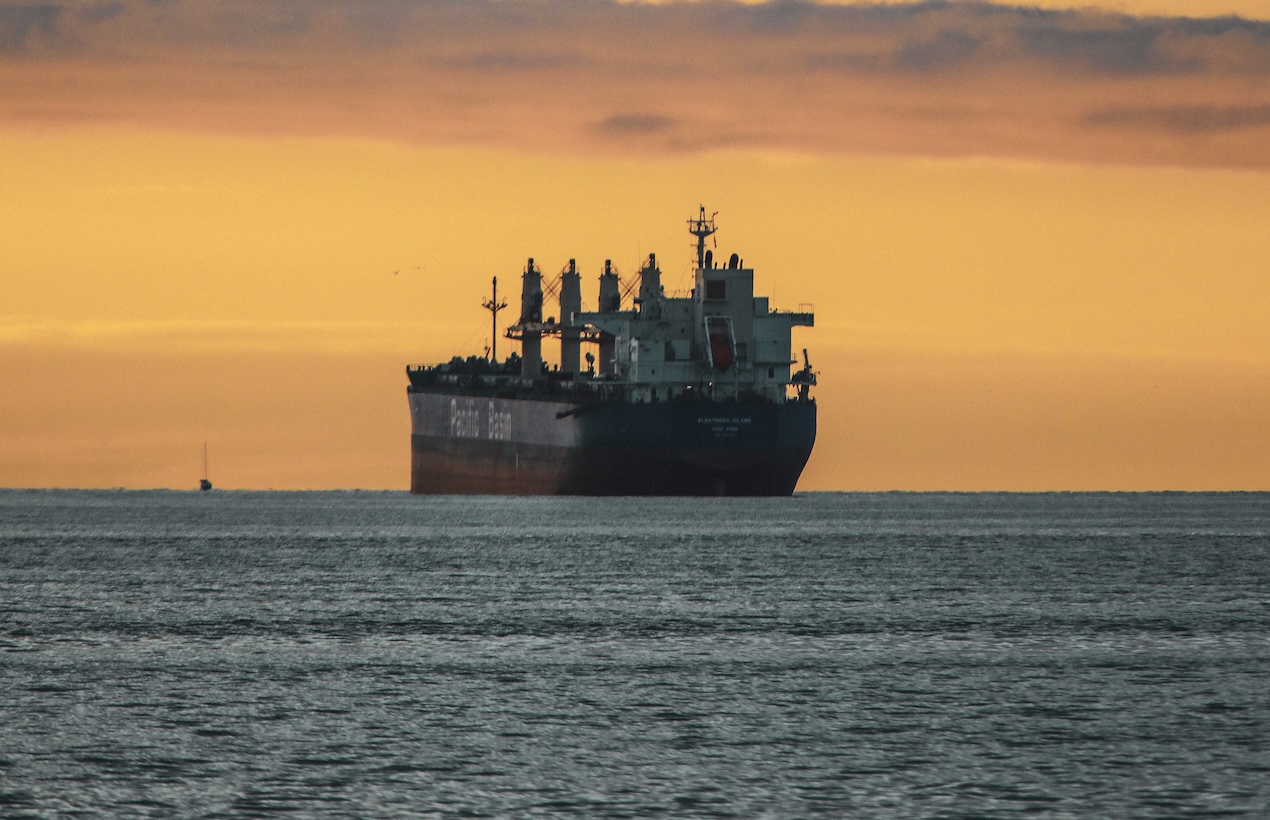
SINGAPORE: With the United States and Iran signing a preliminary deal to end the war on Wednesday (June 17), the re-opening of the Strait of Hormuz has implications for the rest of the world, particularly Asia, which is heavily reliant on fuel from the region.
The conflict, which started on Feb 28, brought about a surge in oil prices, resulting in plummeting currencies across Asia, as well as inflation and a slowdown of manufacturing for some sectors.
The end of the war, therefore, is expected to bring about some immediate relief, although analysts have warned that some effects will be felt for a longer period. While fuel prices have moderated from the highs they reached between March and May, electricity tariffs will increase in July.
According to the deal between the US and Iran, commercial shipping at the Strait of Hormuz, an important chokepoint for around 20% of the world’s supply of oil, “will immediately start.”
News of the agreement resulted in an immediate drop in the price of oil, and so far, it has gone down by more than 11%. Tankers that carry millions of barrels of oil are expected to again be able to make deliveries.
However, while the decrease in oil prices was immediate, normalisation of supply chains may take weeks, if not months, due to the backlog of tankers, elevated insurance premiums, and other factors.
On the upside, Asian countries, including Singapore, Japan, South Korea, and Thailand, may look forward to inflation easing and better trade flows. Moreover, as tensions simmer down, more investments are expected to come in, which means more jobs as hiring increases. Importantly for Southeast Asia, farmers will be able to have a supply of fertiliser again.
Additionally, a decrease in fuel prices means lower transport costs, stronger consumer spending, a better tourism outlook, and finally, less pressure on governments to subsidise living costs.
An added bonus for Singapore, as one of the world's largest bunkering and transhipment hubs, there will be higher shipping traffic and maritime trade flows, as well as a greater bunkering demand.
On the other hand, for the immediate future, Singaporeans are facing higher electricity tariffs, starting from next month.
The Energy Market Authority (EMA) said on Thursday (June 18) that despite Hormuz’s reopening, electricity tariffs will go up next quarter. This is because the tariffs are based on previously incurred fuel costs, and not on current oil prices, and regulated tariffs are revised per quarter in Singapore.
Enjoying this article?
Subscribe to get more stories like this delivered to your inbox.
“With the Middle East conflict straining global fuel supply chains, natural gas prices have increased sharply since the end of February. Consequently, the regulated electricity tariff is expected to rise significantly in the coming quarter,” a spokesperson for the EMA told Mothership.
As “reopening is not a recovery” as noted by the data and analytics company Kpler, progress is expected to be gradual. But for many in Asia, it’s a welcome start. /TISG