
Where law meets courage: Sara Hossain and a legacy of justice beyond borders
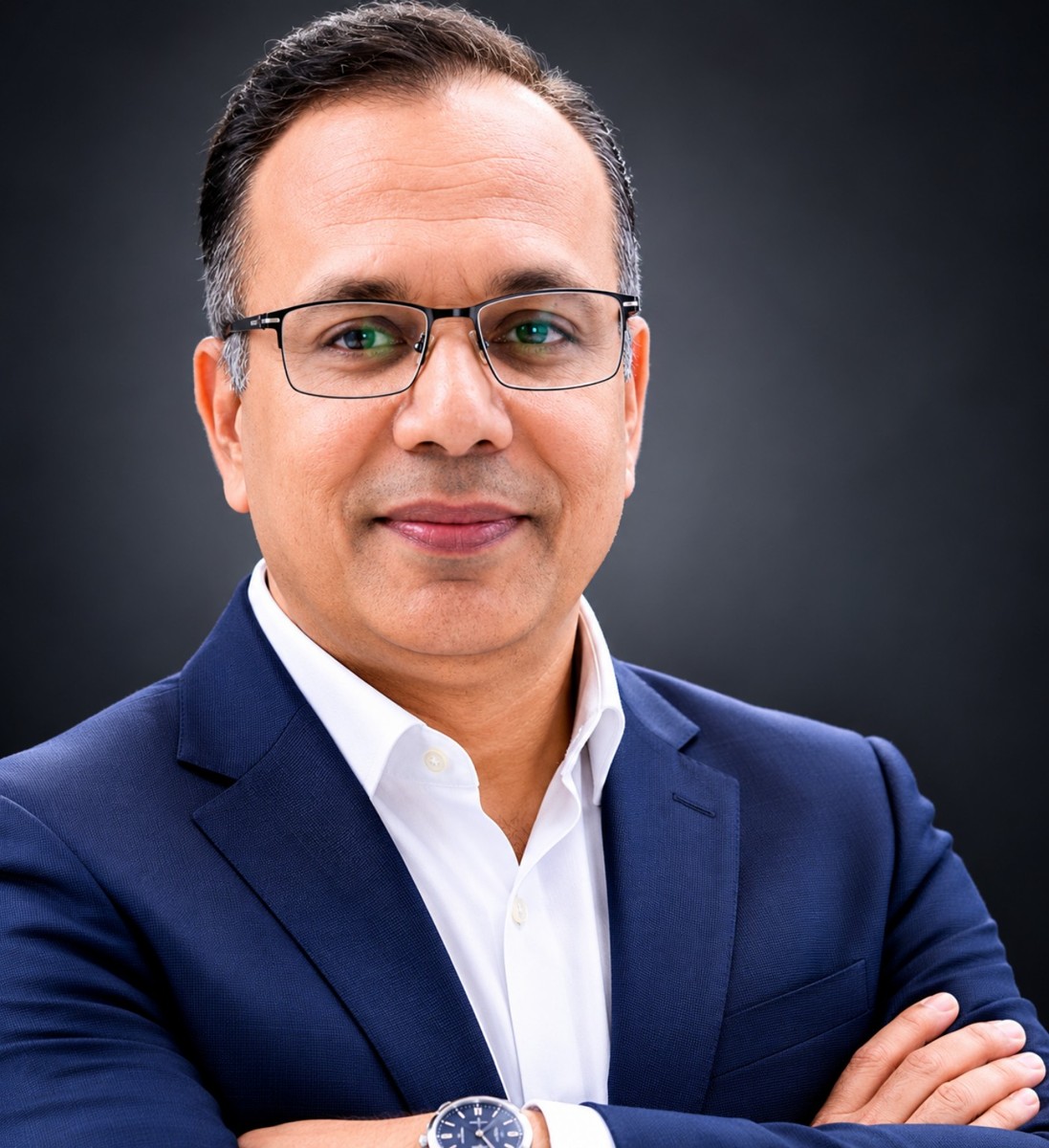
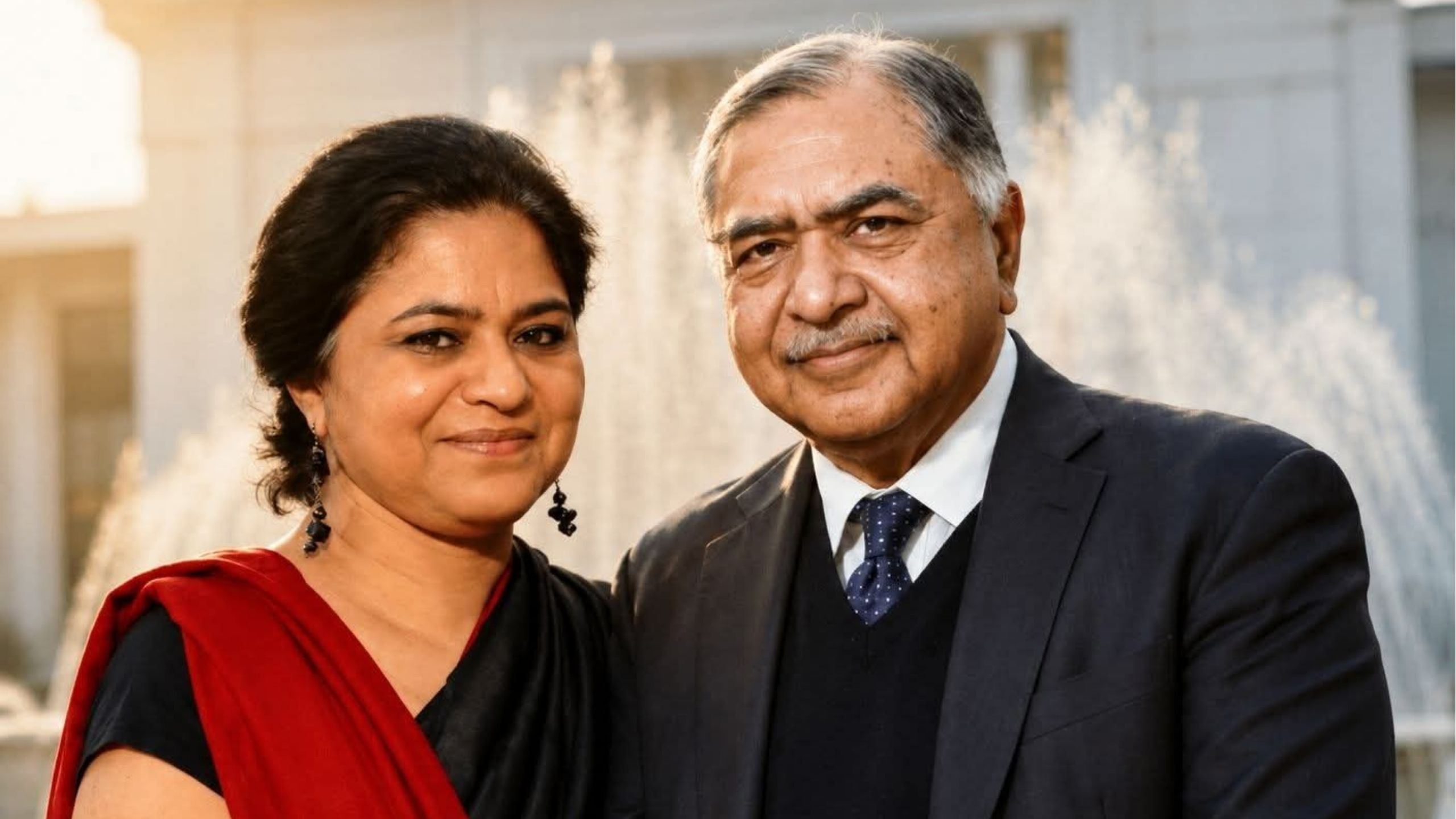
Sara Hossain, one of Bangladesh’s most respected human rights lawyers, is pictured with her father, internationally renowned jurist Dr. Kamal Hossain, one of the principal architects of Bangladesh’s Constitution. Recognized among Asia’s leading lawyers, the father-daughter duo embody a remarkable legacy of legal excellence, human rights advocacy and principled service extending well beyond Bangladesh’s borders.
Sangram Datta:
In Bangladesh, where the law can be both an instrument of protection and a battleground over power, Sara Hossain has spent decades insisting that justice must mean more than words on paper. Her career has been defined by an unusual combination of legal precision, moral conviction and the willingness to confront institutions when the rights of vulnerable people are at stake.
For international observers, Hossain’s story offers a window into some of the defining struggles of modern Bangladesh: the fight for women’s dignity, the protection of constitutional rights, accountability for abuses in state custody and the continuing effort to make justice accessible to those with the least power.
She is not simply a prominent lawyer. She has become one of the country’s most persistent voices for people whose grievances might otherwise remain unheard.
Born in 1967 into one of Bangladesh’s most prominent intellectual and progressive families, Hossain grew up surrounded by ideas of public service, law and social responsibility. Her father, Dr. Kamal Hossain, is widely recognized as one of the principal architects of Bangladesh’s Constitution and an internationally renowned jurist and political figure. Her mother, Hameeda Hossain, is an eminent educator, writer and human rights activist.
Her husband, David Bergman, a British journalist and human rights advocate, is known for his investigative reporting on Bangladesh’s Liberation War and war crimes issues.
Hossain studied law at Wadham College, Oxford, where she completed both her undergraduate and postgraduate degrees. She later qualified as a barrister through the Honourable Society of the Middle Temple in London. After returning to Bangladesh, she entered legal practice and was enrolled in the High Court Division of the Supreme Court in 1992 and the Appellate Division in 2008. In 2021, she was recognized as a Senior Advocate of the Supreme Court, one of the highest distinctions in the country’s legal profession.
She currently serves as partner and deputy head of chambers at Dr. Kamal Hossain & Associates, one of Bangladesh’s leading law firms.
But professional distinction only partly explains her influence. Her more enduring contribution has come through human rights advocacy, much of it carried out beyond the conventional boundaries of legal practice.
For years, Hossain has worked pro bono as honorary executive director of the Bangladesh Legal Aid and Services Trust, widely known as BLAST, one of the country’s leading legal aid organizations. She has also served on the executive committee of Ain o Salish Kendra, another prominent rights organization.
The principle underlying this work is straightforward but politically difficult: the protection offered by law should not depend on a person’s wealth, social position or ability to command attention.
That principle has repeatedly brought Hossain into some of Bangladesh’s most consequential legal battles.
She was among the leading lawyers challenging the use of so-called fatwas to justify the public humiliation and punishment of women in rural communities. The landmark legal struggle helped reshape national conversations about women’s rights and religiously motivated abuse.
She also played a crucial role in campaigns to prohibit the degrading and scientifically discredited “two-finger test” used on survivors of sexual violence. The legal victory was widely regarded as a major step forward for women’s dignity and bodily autonomy in Bangladesh.
Her contribution to the drafting of the Domestic Violence (Prevention and Protection) Act of 2010 further reflected the same commitment. The legislation was considered a milestone in protecting women against abuse within the home, bringing an issue long treated as a private matter more firmly into the realm of legal accountability.
Hossain’s advocacy has never been confined to gender justice. She has also taken on cases involving custodial torture and deaths in police custody, remaining an outspoken advocate for accountability and for the effective implementation of laws intended to prevent torture and abuse by state authorities.
This willingness to scrutinize the exercise of state power has also carried her onto the international stage.
In July 2018, the United Nations Human Rights Council appointed Hossain member of a three-member independent international commission investigating killings linked to Israeli military operations in Gaza. The commission also included experts Santiago Canton as chair and Kaari Betty Murungi.
She has since participated in numerous United Nations missions, international fact-finding initiatives and global campaigns focused on women’s rights and humanitarian law.
Her international reputation has been reinforced by a series of distinctions. In 2016, she received the International Women of Courage Award from the United States government, accepting the honor from then-Secretary of State John Kerry. The World Economic Forum named her a Young Global Leader in 2008, while the Asia Society selected her as an Asia 21 Fellow in 2007. In 2005, she received Bangladesh’s “Anannya Top Ten” award for her work as a human rights lawyer.
Her influence also extends through international legal institutions. She has served as a commissioner of the International Commission of Jurists and is currently a member of the Human Rights Committee of the International Law Association and the advisory committee of Women’s Initiatives for Gender Justice.
For a global audience, however, the significance of Sara Hossain may lie less in the list of positions she has held or awards she has received than in the consistency of her principles.
Human rights work is rarely comfortable. It demands persistence when institutions resist scrutiny, courage when powerful interests are challenged and empathy when legal disputes involve people whose suffering can otherwise become an abstraction.
Enjoying this article?
Subscribe to get more stories like this delivered to your inbox.
Hossain has repeatedly chosen that difficult terrain.
In the courtroom, her tools are legal argument and constitutional principle. Outside it, her work has been grounded in a broader conviction that dignity is not a privilege granted by society to the powerful, but a right that belongs equally to the vulnerable.
That conviction has made her a particularly important figure in a country still confronting inequality, violence and entrenched social prejudice.
Her career also illustrates a wider truth about the practice of human rights law. Lasting change is rarely produced by a single judgment or a single campaign. It is built through years of litigation, advocacy, institutional engagement and public pressure — often long after the headlines have disappeared.
Hossain’s work belongs to that longer story.
To her supporters, she represents the possibility that the law can be used not merely to settle disputes but to challenge structures that permit injustice to persist. To those who follow Bangladesh from abroad, her career provides a rare and illuminating perspective on the country’s continuing struggle to reconcile constitutional ideals with realities on the ground.
There is nothing theatrical about the essential demand at the heart of her work: that people should be treated with dignity, that power should be accountable and that the law should protect those who need it most.
In an age when public debate is increasingly polarized and trust in institutions is often fragile, such commitments can appear unfashionably simple.
They are also profoundly difficult to sustain.
Sara Hossain has sustained them for decades.
And beneath the formal black robe of the courtroom is the quality that perhaps best defines her public life: a refusal to look away when injustice becomes inconvenient, unpopular or dangerous to confront.
That is not merely legal courage. It is moral courage — and it may prove to be the most enduring part of her legacy.
Contributing writer at The Independent News