
Europe Cannot Afford Complacency: Two Decades of Terror Have Changed the Continent

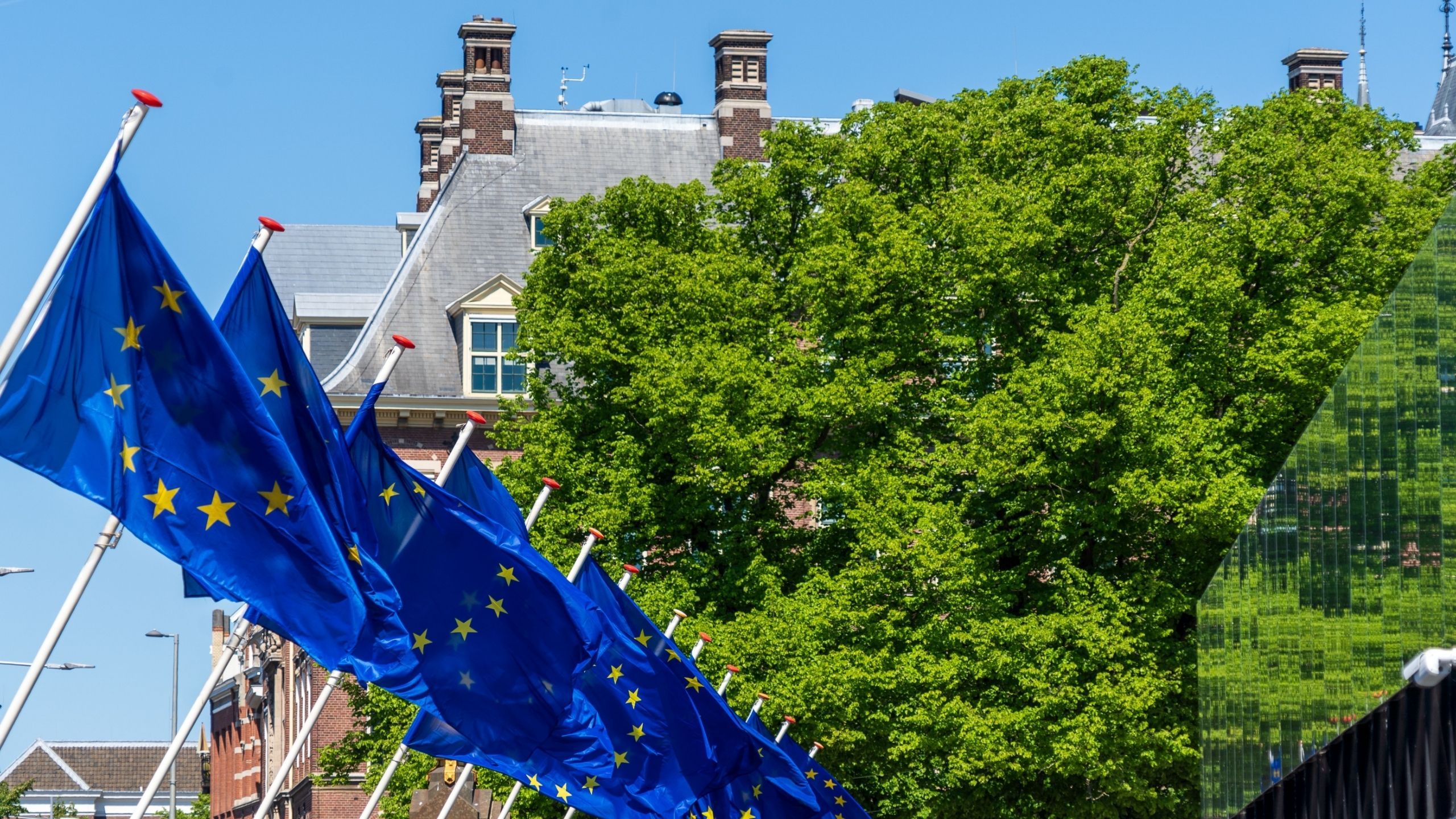
Multiple EU flags waving against a blue sky
Europe Cannot Afford Complacency: Two Decades of Terror Have Changed the Continent
Sangram Datta:
For over twenty years Europe has had to deal with a continuous and changing threat from terrorism; although the methods have altered, the ideologies have changed and the perpetrators have adjusted, the aim has stayed the same—that is to create fear, weaken democratic institutions and tear at the social structure of open societies.
For the last twenty years terrorist attacks have taken place in cities and communities all over Europe. Among the places that have suffered terrible acts of violence are Madrid, London, Paris, Brussels, Nice, Berlin, Manchester, Stockholm, Barcelona, Vienna and Oslo. Furthermore, other European countries have too had attacks, attempts at attacks and terrorist plots which have been disrupted, showing that no country is completely free from violent extremism.
The number of recent attacks and security warnings has served to underline a tough truth: even though Europe has improved its ability to prevent terrorism, the threat is by no means gone. Europol and the national security agencies still cautions that terrorism continues to pose a serious problem and that ongoing vigilance alongside international cooperation is necessary.
The terrorist threat nowadays is unlike that which existed ten years ago; while large and well-coordinated attacks have become less frequent, smaller networks and individuals who have radicalised on their own still present a considerable danger. The use of online propaganda, encrypted communication and transnational extremist networks has made the process of radicalisation quicker and more difficult to detect.
Europe must keep changing how it responds.
The most important thing is to have intelligence; no European country is able to combat terrorism by itself. Numerous attacks have already been prevented because of the information that is shared between intelligence agencies, police forces, border authorities and Europol. This kind of cooperation should become quicker, broader and more effective.
Secondly, border control and the system of immigration should be both secure and based on intelligence. Each person should be evaluated according to reliable evidence and in accordance with the rule of law; individuals who have taken part in terrorist activities, given support to terrorist organisations or hidden extremist involvement should be prosecuted or, if the law allows, removed after having gone through the proper legal procedures. Counter-terrorism efforts must always be directed at individual criminal responsibility and not at a person's nationality, ethnicity or religion.
Thirdly, Europe should redouble its efforts to combat online radicalisation. Increasingly, terrorist groups are using digital platforms to recruit members, disseminate propaganda and promote violence. Governments and technology companies ought to cooperate in disrupting these networks while at the same time safeguarding fundamental rights and freedom of expression.
Fourth, it is essential to disrupt terrorist financing. Financial intelligence, sanctions, international cooperation and cross-border investigations are all necessary for the purpose of dismantling the infrastructure which enables terrorism.
Fifth, prison systems need to receive ongoing attention since some prisoners have become more radicalised during their time in custody. In order to reduce future risks, effective monitoring, rehabilitation programmes and post-release supervision must be put in place.
Public concern has become more and more obvious all over Europe. In places such as London, Paris, Stockholm and other cities, protests and public gatherings have shown the increasing demand for more effective action against violent extremism, for a stricter enforcement of anti-terror laws and for better protection of communities that are victims of extremist violence. These protests also highlight a key democratic principle, namely that citizens expect governments to take firm action against terrorism while at the same time respecting the rule of law and safeguarding fundamental freedoms.
The solution, though, is not collective suspicion or division. Europe's strength comes from its capacity to tell the difference between citizens who obey the law and those who take part in or support terrorism. For counter-terrorism to be effective it is necessary to have evidence, intelligence, due process and international cooperation—not general assumptions about whole communities.
There is no doubt about the lessons learned over the last twenty years. Madrid, London, Paris, Brussels, Nice, Berlin, Manchester, Stockholm, Barcelona, Vienna, Oslo and a number of other cities have suffered serious consequences because of terrorism. The experiences of these places have changed security policy, intelligence cooperation and public awareness throughout the continent. Nevertheless, history shows that mere vigilance is not enough to defeat terrorism; it can only be overcome by resilient democratic institutions, by governments that are accountable, by professional security services and by societies which do not yield to violence.
Enjoying this article?
Subscribe to get more stories like this delivered to your inbox.
It would be unwise for Europe to assume that the lack of frequent mass-casualty attacks means the threat has vanished. Extremist groups keep on adapting, take advantage of new technologies and look for ways to recruit, radicalise and inspire violence. To meet that danger it is necessary to make continuous investments in intelligence, law enforcement, judicial cooperation and community resilience, together with a firm commitment to the rule of law.
The challenge which Europe now faces is therefore not merely that of preventing the next attack, but also of keeping the democratic values which terrorists aim to weaken. Security and freedom are no opposing goals; in fact, when they are pursued side by side, they strengthen each other. What has always been Europe's greatest strength is its ability to protect its citizens without giving up the principles of justice, human rights and democratic accountability.
Given the more than twenty years of hard-earned lessons, complacency would be Europe's biggest weakness. Although the terrorist threat may have changed, it has not disappeared. The only certain way to make sure that fear never overcomes freedom is to remain vigilant, united and loyal to democratic values.