
How a presidential protest backfired: Trump's housing bill gamble ends in a quiet, automatic defeat as bipartisan housing bill becomes law

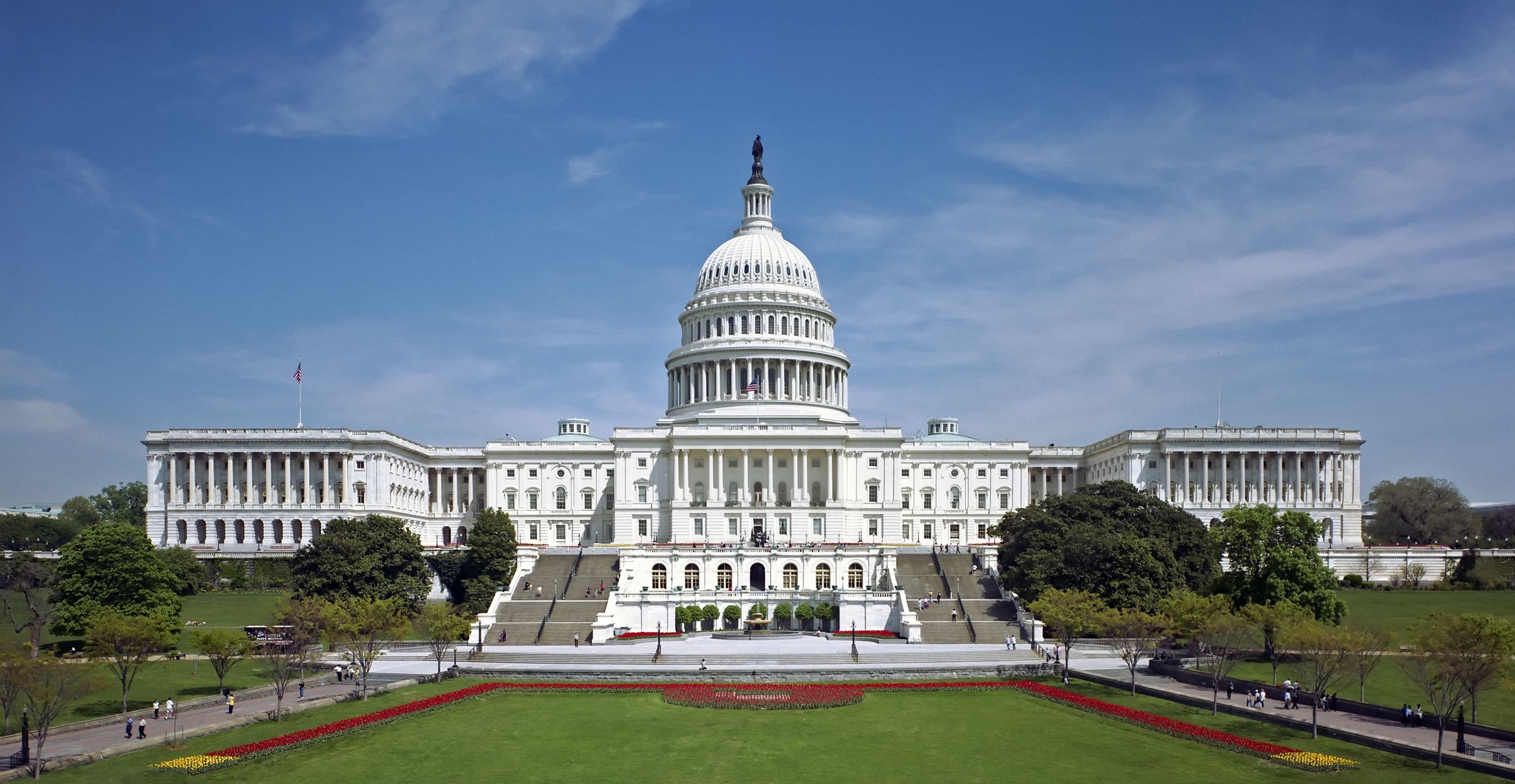
Photo: US Capitol Building, Washington, DC
USA: A landmark federal housing bill has become law without President Donald Trump’s signature, after the president refused to sign the legislation in protest over Congress’s failure to pass his preferred voting restrictions bill. His protest ended up changing nothing about the bill’s fate while costing Trump a political win.
According to The Guardian, the 21st Century Road to Housing Act, described as the biggest change to federal housing policy for buyers, renters, and homebuilders in decades, passed both chambers of Congress with large bipartisan margins last month after lengthy negotiations. Under US law, if a president neither signs nor vetoes a bill within 10 days of receiving it, it automatically becomes law. This is precisely what happened when the midnight deadline passed on Saturday.
Trump’s protest and its target
Trump had tied his refusal to sign the housing bill to the Save America Act, which pertains to a package of voting restrictions that would impose new requirements on voters and state election officials nationwide ahead of November’s midterms, which Republicans are defending their majorities in both the Senate and the House.
A version of the Save America Act passed the House in February, but it faces strong Democratic opposition in the Senate and lacks the votes to overcome the stalemate. Rather than signing the housing bill independently, Trump chose to withhold his signature as leverage. Ultimately, his strategy produced no movement on the voting legislation while allowing the housing bill to pass without him.
“I will not sign the Housing Bill, which has been fully approved by Congress and sent to the White House, in PROTEST over the fact that the United States Senate is not capable of passing THE SAVE AMERICA ACT,” Trump wrote on Truth Social on Friday, as quoted by The Guardian.
Democrats had the last say
The Guardian reported that democratic senators were quick to note the outcome. Massachusetts Senator Elizabeth Warren said: “Trump refused to sign it, but he couldn’t stop it. This law is groundbreaking. It will build more housing, bring down costs, and for the first time, stop private equity from buying up homes.”
House Minority Leader Hakeem Jeffries wrote on X: “Republicans would rather make it harder to vote than easier to afford a home.” Senate Minority Leader Chuck Schumer added: “His priorities couldn’t be clearer: higher costs for families and more power for himself.”
The irony of the situation was not lost on observers: Trump had previously cancelled a signing ceremony for the bill last month, denying his own Republican allies a public moment to highlight their efforts on housing affordability. He later dismissed the measure as “a big yawn” and “so unimportant” compared with the Save America Act.
The 10-day clock began on June 29 when House Speaker Mike Johnson sent the bill to Trump’s desk. It expired at midnight on Saturday.
This whole episode happened just after Trump’s firing of the last three commissioners of the Election Assistance Commission this week, ahead of November’s midterms. Critics argue that both moves show what Trump is currently prioritising: restricting or controlling the electoral process rather than delivering legislative wins for voters.
Netizens react
The outcome drew a sharp and often sardonic response on Reddit. Many commenters noted the self-defeating nature of Trump’s protest. “Trump’s first chance to finally actually help the citizens of this country and he refuses to. Pathetic. I wonder how long until he takes credit,” one netizen wrote, predicting the likelihood of the president eventually claiming ownership of a law he refused to sign.
Others expressed genuine surprise at the constitutional mechanics. “Oh, I didn’t know this was a thing. No sign (ignore) = acceptance within 10 days according to the article. Interesting. Maybe we can pass some more decent bipartisan legislation. Just don’t tell him about it,” one user wrote.
Enjoying this article?
Subscribe to get more stories like this delivered to your inbox.
Some kept it brief. “He just can’t win, can he?” they asked.
The sharpest response cut to the political absurdity of the situation. “This man would rather go on a tirade and bring up the same talking points with the ‘Save America Act’ rather than do the one thing that both sides of the aisle agreed would actually lead to more people being able to own a home. It’s pathetic. It’s petty. It’s un-American,” one netizen wrote.
Why this matters
The 21st Century Road to Housing Act becoming law without Trump’s signature is, in one sense, a straightforward legislative outcome: the bill passed, it’s now law, full stop.
But the manner in which it happened shows something more telling about what the current administration is willing to prioritise; they are willing to sacrifice a concrete policy win on housing affordability in order to apply pressure on a voting restrictions bill that currently lacks the votes to pass.
For American families struggling with housing costs, which is a constituency that spans both parties and all demographics, the law’s passage may be a meaningful development regardless of how it got there.
Read also: ‘We're not failures’—Reddit’s brutal portrait of America’s worst job market in 17 years
Writer