
'Little regard for smaller countries': US calls China's Pacific missile test 'provocative' as Philippines warns of threat to smaller nations

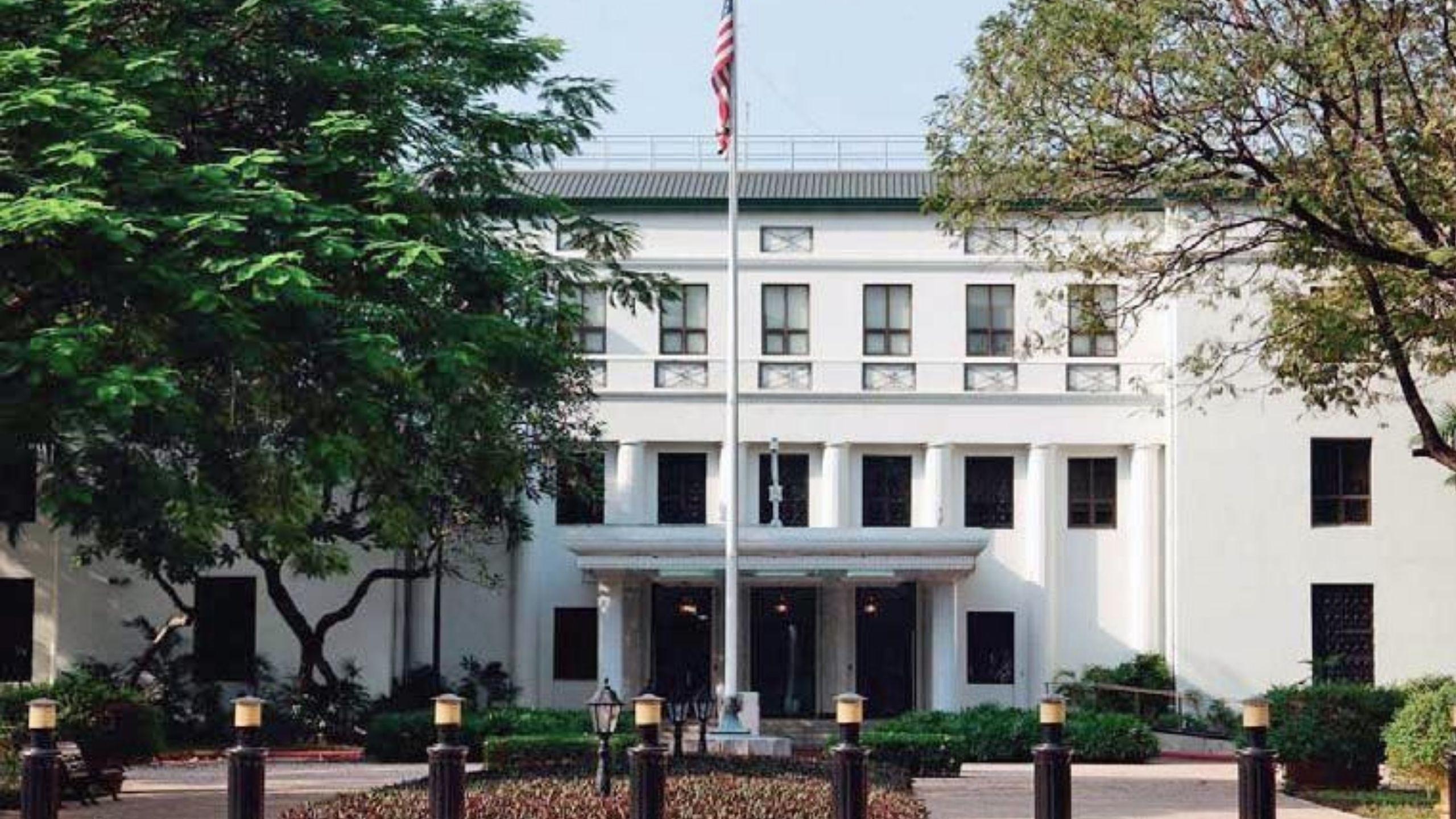
Embassy of the United States in Manila
PHILIPPINES: The United States has joined the Philippines in raising alarm over China’s ballistic missile test in the Pacific, with Washington describing the launch as “provocative” and further evidence of Beijing’s secretive nuclear weapons development programme, the Philippine News Agency (PNA) reported.
China test-launched an unarmed intercontinental-range ballistic missile from a submarine into the southern Pacific Ocean on July 6 that drew swift condemnation from both Manila and Washington.
US ambassador: “Ironclad” alliance stands firm
US Ambassador to the Philippines Lee Lipton said Washington shares the Philippines’ concerns over the launch and reaffirmed America’s commitment to its oldest security ally in the region.
“The ironclad US-Philippine Alliance has been a tremendous and transparent source of regional peace and stability for over seven decades,” Lipton said, as quoted by PNA. “Beijing’s provocative missile launch yesterday is further evidence of its rapid and secretive nuclear weapons development program, which runs counter to regional stability and is inconsistent with the pursuit of meaningful arms control discussions.”
State Department calls for transparency
In a separate statement, US Department of State Spokesperson Thomas Pigott also questioned the missile test, arguing that China’s actions run counter to global nuclear non-proliferation efforts.
“We continue to urge China to engage in meaningful arms control discussions and commit to a regularised notification arrangement for all intercontinental-range ballistic missile and space launches consistent with commitments made by all other P5 members,” Pigott said, referring to the five permanent members of the United Nations Security Council: the US, UK, France, Russia, and China.
The Philippines labels it “reckless”
According to PNA, the Philippine Department of National Defense was equally pointed in its assessment, labelling the test “a reckless display of military power that shows little regard for smaller countries and the fragile ecological systems that sustain their people.”
The framing from Manila is significant; it positions the missile launch not just as a security concern between major powers, but as an act that directly affects smaller nations in the Pacific, many of which have no voice in the nuclear calculus of the P5.
A test that lands at a tense moment
The launch comes at a time when China’s posture in the Indo-Pacific is already under sustained scrutiny from its maritime activities in the West Philippine Sea to its military build-up in the region. A submarine-launched intercontinental ballistic missile test in the Pacific, conducted without prior notification to neighbouring countries, adds another aspect to what the US and the Philippines are characterising as a pattern of behaviour that prioritises military assertiveness over regional stability and diplomatic transparency.
Enjoying this article?
Subscribe to get more stories like this delivered to your inbox.
For smaller nations in the Pacific and Southeast Asia, the statements from Washington and Manila signify a shared stance to push back against unannounced military demonstrations that affect the broader region, regardless of whether the missiles in question are unarmed.
Read also: PH President reaffirms strong Philippines-US ties, says partnership ‘as active as it has ever been’