
Public Leader Panu Babu: A Forgotten Legacy of 1971
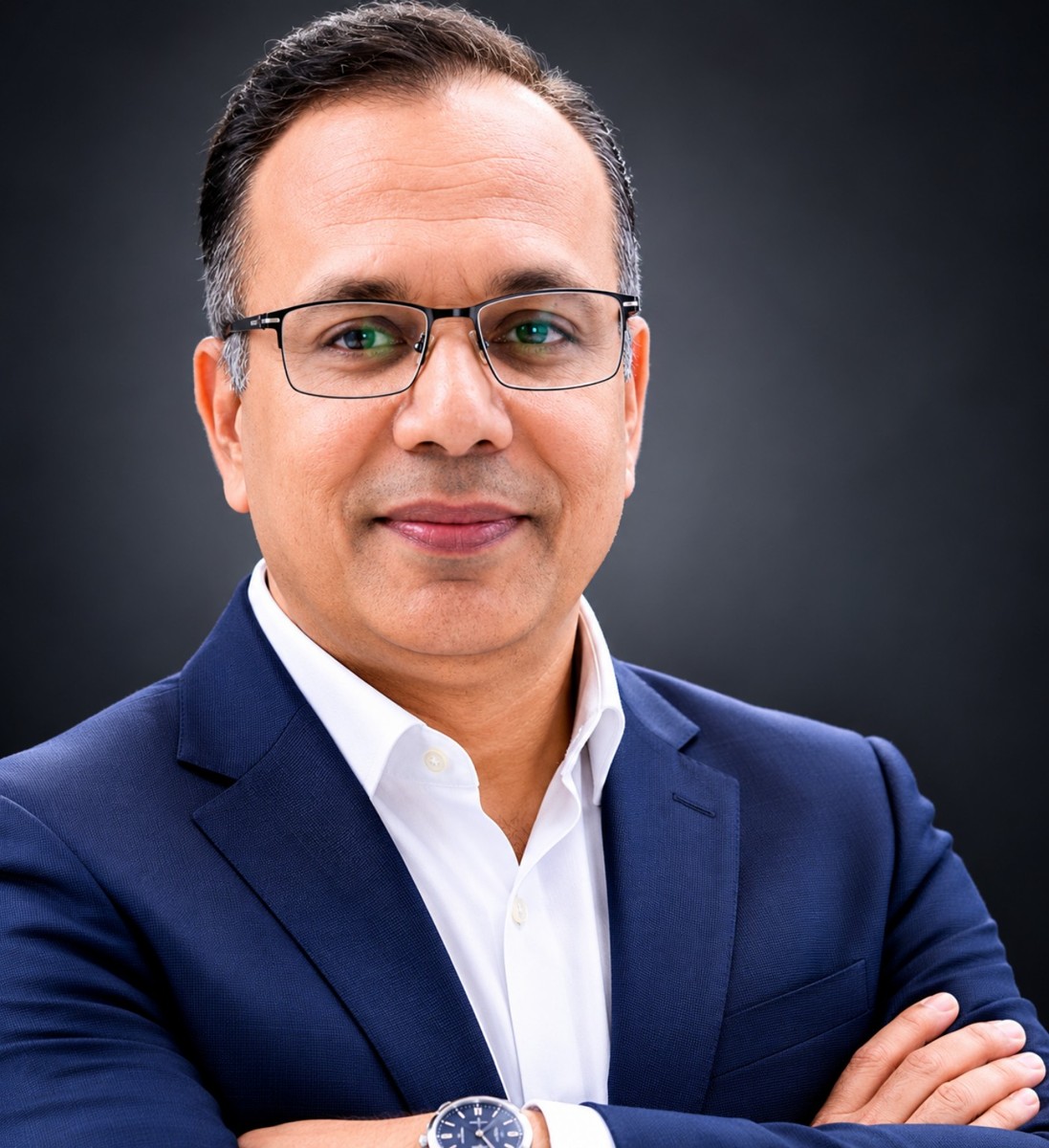
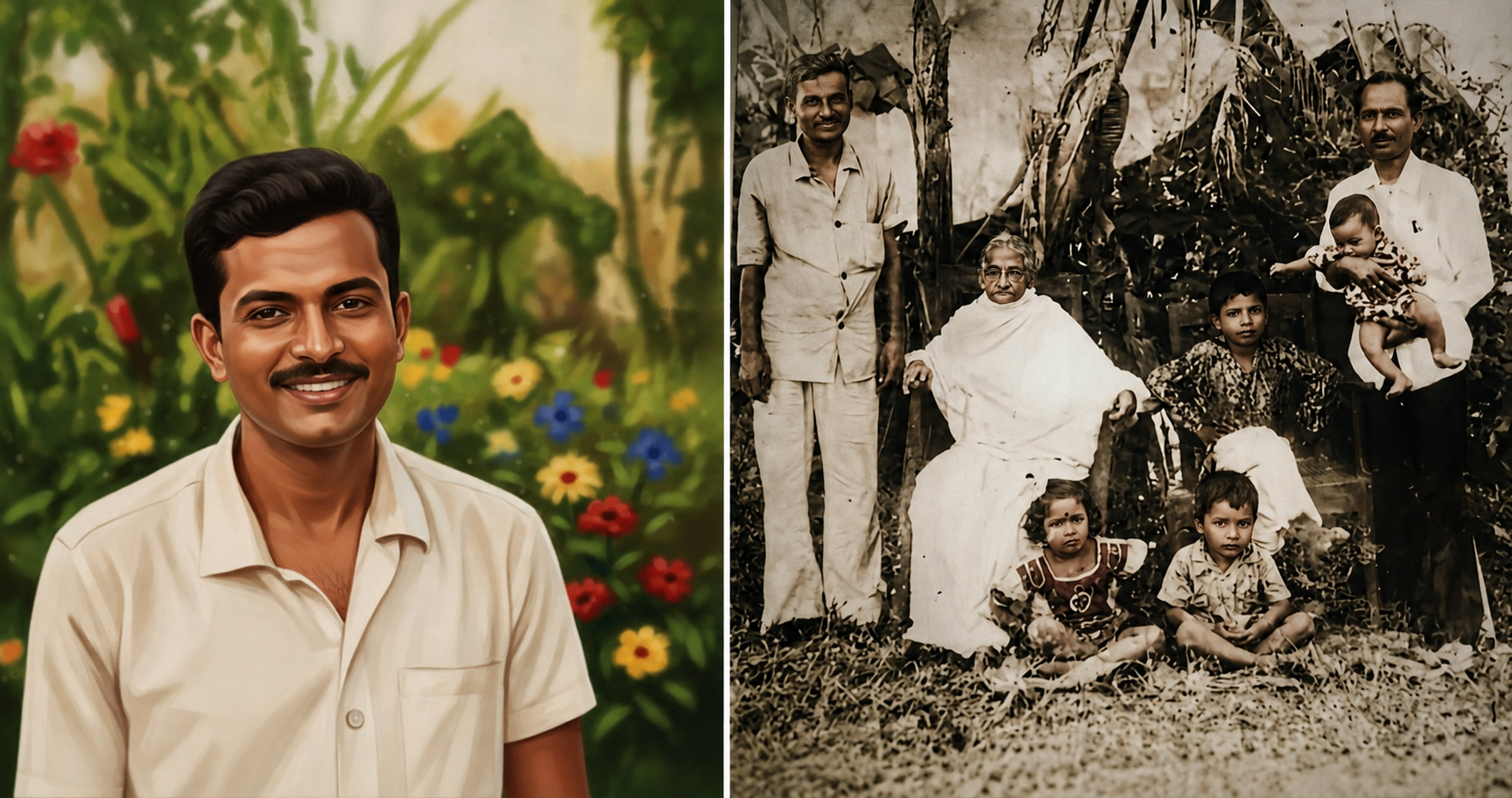
Dhirendra Datta Chowdhury, widely known as “Panu Babu,” remains remembered in Sreemangal for his role in the 1971 Liberation War, political commitment and lifelong dedication to public service.
The story of Bangladesh’s Liberation War is filled with individuals whose contributions have never received official recognition. Some fought on the battlefield, others organised resistance, mobilised communities or devoted their lives to public service long after independence. Among them was Dhirendra Datta Chowdhury of Noagaon village in Sreemangal, widely known as “Panu Babu.” Although he played an active organisational role during the 1971 Liberation War, he was never officially recognised as a freedom fighter. His life remains a story of sacrifice, political conviction, persecution, public service, and historical neglect.
Dhirendra Datta Chowdhury was born during British rule in Noagaon village of Sreemangal, then part of South Sylhet Subdivision in the Sylhet district, now Moulvibazar district. He was the fourth of several siblings born to Jatindramohan Datta Chowdhury and Bindubasini Datta Chowdhury.
His family was one of the area’s prominent and well-established households. His father served as a local leader of the Indian National Congress during the British colonial period and, following the introduction of Union Parishad administration in 1960, became one of the first elected members of the local council.
Dhirendra began his education at Noagaon Government Primary School before completing his secondary education at Sreemangal Victoria High School. After graduation, he was offered a teaching post at his former primary school but declined because of the low salary. Instead, he pursued higher education at a college in Kailashahar, Tripura, India, where he completed his Intermediate (IA) studies. He was later offered a government job in India but chose to return home, driven by his attachment to his homeland.
After returning to East Pakistan, local informants allegedly revealed his whereabouts to the Pakistani military. He was arrested and taken to Comilla Cantonment, where he was subjected to severe torture, including electric shocks. The abuse caused lasting physical and psychological damage, the effects of which he carried for the rest of his life.
Following his release, he resumed political activities with the National Awami Party (NAP–Muzaffar). As the independence movement intensified in 1971, he worked alongside leaders and activists from the NAP, the Awami League and the Student Union to organise local resistance.
Throughout March and April, he helped mobilise volunteers, arrange basic training for prospective fighters and support a range of resistance activities.
He later joined Liberation War operations, moving through Moulvibazar, Sherpur, and Sylhet. As Pakistani forces launched large-scale offensives, accompanied by heavy bombardment and encirclement, Liberation fighters were forced to retreat. He subsequently crossed into India.
While in India, he remained actively involved in the war effort, working in training camps to campaign for Bangladesh’s independence, encourage young volunteers and help send newly recruited fighters to the front.
After Bangladesh achieved independence in December 1971, he returned to Noagaon and dedicated himself to rebuilding the war-ravaged country. Setting aside partisan politics, he became involved in a range of local development initiatives.
In Bangladesh’s first Union Parishad election in 1973, he contested for the position of member under the Fish election symbol and won by a substantial margin. As an elected representative, he earned a reputation for honesty, integrity, and commitment to public welfare.
The political climate changed dramatically following the events of 1975, when the National Awami Party entered a difficult period. His elder brother, Rasendra Datta Chowdhury, was arrested for political reasons. Despite mounting pressure, Dhirendra remained committed to his political ideals. He continued organisational work for the NAP and distributed the Soviet publication Udayan and the party newspaper Natun Bangla, promoting political awareness among local residents.
In 1979, during a procession organised by the eight-party alliance near Sulav Bhandar in Sreemangal’s New Market, activists associated with the Bangladesh Nationalist Party (BNP) allegedly attacked the march. Dhirendra Datta Chowdhury was assaulted during the incident. Witnessing the attack from a distance, his elder brother Rasendra rushed to protect him but was also beaten. It later emerged that Rasendra had been the principal target, although both brothers became victims of political violence.
In 1983, during the military rule of President Hussain Muhammad Ershad, Rasendra Datta Chowdhury was elected Chairman of Sreemangal Union Parishad. His tenure saw the implementation of significant local development projects that remain well remembered in the area.
Dhirendra Datta Chowdhury never married. Although he came from a prosperous and respected family, he chose a modest lifestyle. Despite opportunities for secure government employment, he devoted himself to politics and public service. Honesty, courage and a deep commitment to ordinary people defined his character throughout his life.
When the government introduced an online application process for official freedom fighter recognition in 2014, he was seriously ill and unable to apply. His family also acknowledges that, because of a lack of awareness and organisational follow-up, his name was never included on the official list of the guerrilla force jointly organised by the National Awami Party, the Communist Party and the Student Union. As a result, he was excluded from subsequent state recognition as a freedom fighter.
Enjoying this article?
Subscribe to get more stories like this delivered to your inbox.
The family, however, continues to preserve an official testimonial issued by Professor Muzaffar Ahmed, President of the National Awami Party, certifying Dhirendra Datta Chowdhury’s role in the Liberation War. They regard the document as an important historical record of his wartime contribution.
After 2004, the family says a group led by local figures identified as Joynal and Harun, allegedly encouraged by influential interests in Noagaon, attempted to seize the property of three unmarried siblings. According to the family, they were intimidated into signing legal papers on a 13-inch stamp. The attempt was ultimately thwarted through the intervention of former Sreemangal Municipality Mayor Md Ahad Miah and several officers of Sreemangal Police Station, leading to the arrest of those allegedly involved. The family claims that attempts to seize their property have continued.
His final years were marked by illness and financial hardship. He received only limited medical treatment before dying on 20 December 2015.
Dhirendra Datta Chowdhury’s name does not appear on the state’s official list of recognised freedom fighters. Yet in Noagaon and across Sreemangal, he is still remembered as Panu Bau—an honest politician, a committed organiser of the Liberation War and a man who devoted his life to public service.
His story serves as a reminder that the history of Bangladesh’s Liberation War extends beyond official registers and state recognition. It also belongs to the countless men and women whose sacrifices, ideals and dedication survive through community memory, local history and the enduring respect of those who knew them.
Contributing writer at The Independent News