
Beijing warns Tokyo of a 'painful price' as Japan pushes missile line toward Taiwan, escalating Asia’s sharpest strategic standoff in years
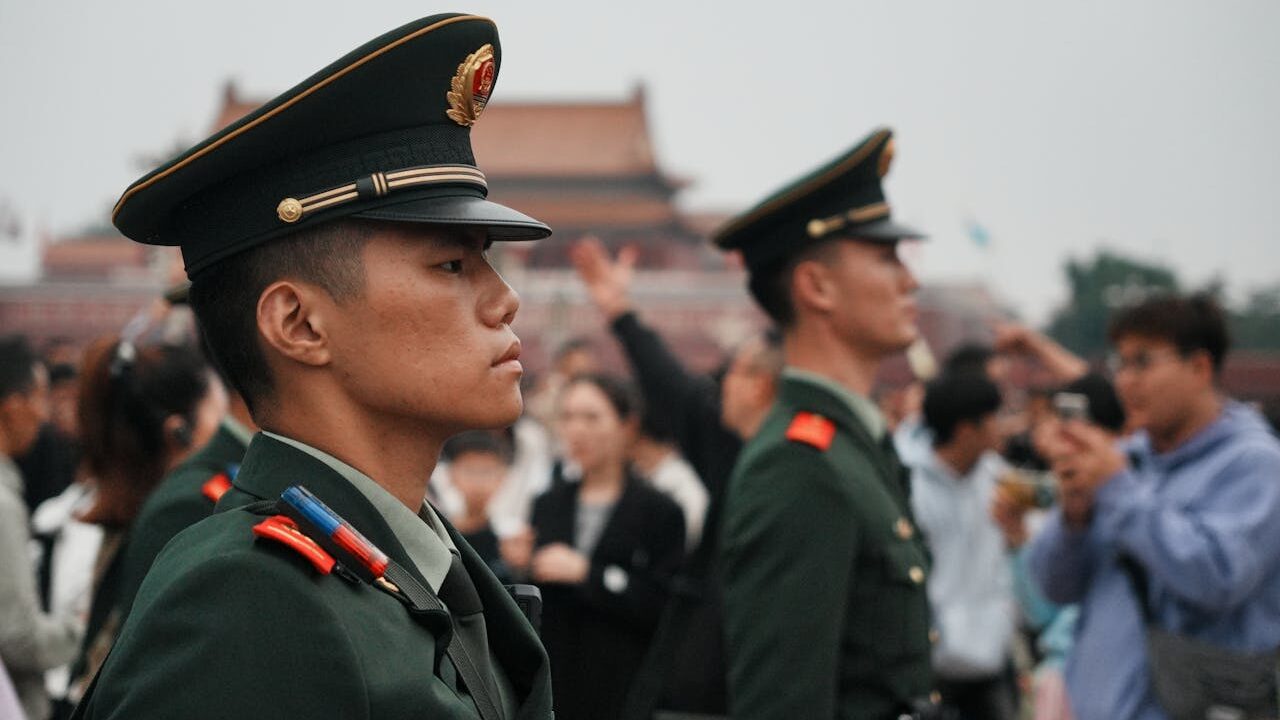
BEIJING: China’s Defence Ministry delivered a sharp warning to Japan in November 2025, saying Tokyo could face a “painful price” if it crosses the line over Taiwan. The statement came after Japan announced plans to deploy missiles on Yonaguni Island, just over 100 kilometres from Taiwan’s shores.
The terse remark is a reflection of worsening diplomatic tensions between the two countries in years. Earlier this month, the newly elected Japanese Prime Minister Sanae Takaichi suggested that if China attacked Taiwan, Japan might respond militarily. Following which Japan’s Defence Minister Shinjiro Koizumi confirmed that preparations are moving forward to place a medium-range surface-to-air missile unit on Yonaguni, a small island sitting about 110 kilometres off Taiwan’s east coast.
China, however, called the plan unwelcome interference in what it considers issues pertaining to the reunification of China, a purely domestic matter. “Not only has Japan failed to deeply reflect on its grave crimes of aggression and colonial rule in Taiwan, but it has also instead, in defiance of world opinion, entertained the delusion of military intervention in the Taiwan Strait,” said ministry spokesperson Jiang Bin.
In a post on x.com, The Global Times said, “Some Chinese experts noted that Tokyo’s plan to press ahead with the planned missile deployment on the island close to Taiwan – despite the diplomatic fallout – signals that Japan is doubling down on a confrontational posture and is not taking the damage to bilateral ties seriously.”
“The People’s Liberation Army has powerful capabilities and reliable means to defeat any invading enemy. If the Japanese side dares to cross the line even half a step and bring trouble upon itself, it will inevitably pay a painful price,” he added.
For Taiwan, the stakes couldn’t be higher. The democratically elected government continues to reject Beijing’s territorial claims, insisting that only the people of Taiwan can decide their own future. President Lai Ching-te recently announced plans to increase Taiwan’s defence spending by $40 billion over the next eight years—a move Beijing condemned as reckless.
Taiwan’s Mainland Affairs Council responded Thursday with a pointed reminder of the imbalance in regional power. “China’s defence budget far exceeds Taiwan’s. If they truly valued cross-strait peace, these resources could be invested in improving the mainland’s economy and people’s livelihoods,” spokesperson Liang Wen-chieh said.
Tensions remain palpable as China’s military operates almost daily in waters and airspace around Taiwan, actions Taipei describes as part of Beijing’s ongoing campaign of pressure and intimidation. For ordinary people across the region, these developments highlight how fragile peace remains in the Taiwan Strait, where historical grievances, strategic calculations, and national pride collide.
Enjoying this article?
Subscribe to get more stories like this delivered to your inbox.
International Opinion
Most countries except from the United States have steered clear of the controversy, with ASEAN promoting peace through dialog while comment very little on it.
Singapore’s Prime Minister Lawrence Wong has publicly urged China and Japan to “find ways to resolve these very complex issues and move forward.” He emphasized that Southeast Asia (i.e. ASEAN plus Singapore) has historically “put history aside” with Japan and managed to move ahead despite past traumas.
Seoul has publicly expressed concern over the escalation between China and Japan, and worry about being dragged into an “unwanted flare-up.
Washington explicitly opposed any unilateral actions that would alter the status quo by force or coercion — whether by Beijing, Tokyo, or Taipei. Their strategic ambiguity does not make the situation any better.
Photo source: Chinese military (for illustration purposes only) / Pexel
Writer