
I stopped buying SIM cards at airports, here’s what I use now instead

More users are switching to e-sim for ease of use and convenience (for illustration purposes only)
For many travellers, the first problem after landing overseas isn’t immigration or luggage.
It’s data.
Do you switch on roaming and risk a massive bill? Hunt for a SIM card at the airport? Or try to survive on patchy Wi-Fi until you reach your hotel?
That familiar stress is exactly what a Singapore startup, Eskimo.Travel, is trying to eliminate. The company says it has now crossed 1.5 million installs for its global eSIM — a sign that more travellers are quietly moving away from physical SIM cards altogether.
“It just works when you land” - The idea is simple.
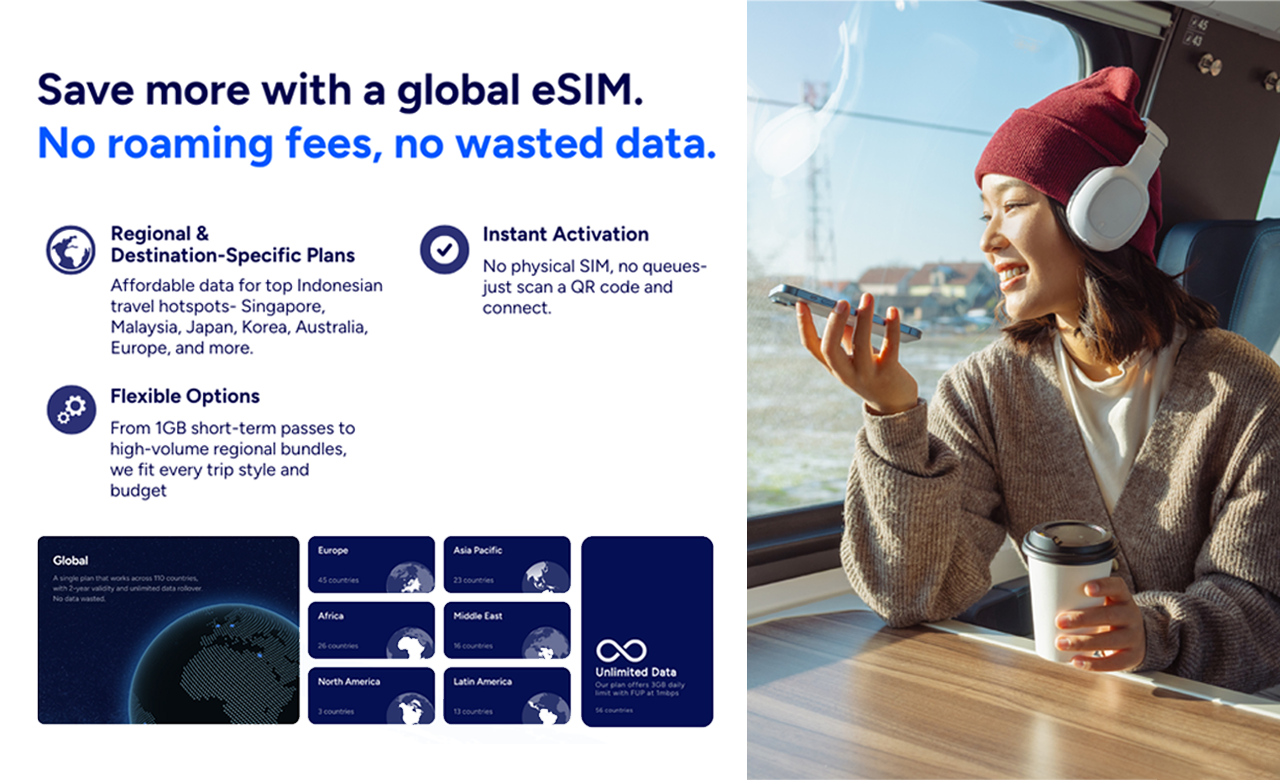
Instead of swapping SIM cards every time you travel, you install an eSIM once — and just turn it on when you arrive in another country. No queues. No plastic SIM cards. No scrambling for Wi-Fi. For frequent travellers, that small change can make a big difference.
The story of Eskimo.Travel did not start in a boardroom. The idea was conceived during a travel experience. Founder Dennis Lee, then a member of the cabin crew of Singapore Airlines, realised the importance of connectivity during a family trip to Japan in 2017.
The moment that sparked it
Founder Dennis Lee didn’t set out to build a tech company.
Back in 2017, while working as cabin crew with Singapore Airlines, he was travelling in Japan with his extended family. A single pocket Wi-Fi device allowed everyone to stay connected — and move around independently.
“That was when it clicked,” he said.
Years later, when the pandemic hit and travel came to a halt, Lee pivoted into eSIM technology — betting that travellers would want something simpler once borders reopened.

Why some travellers are switching
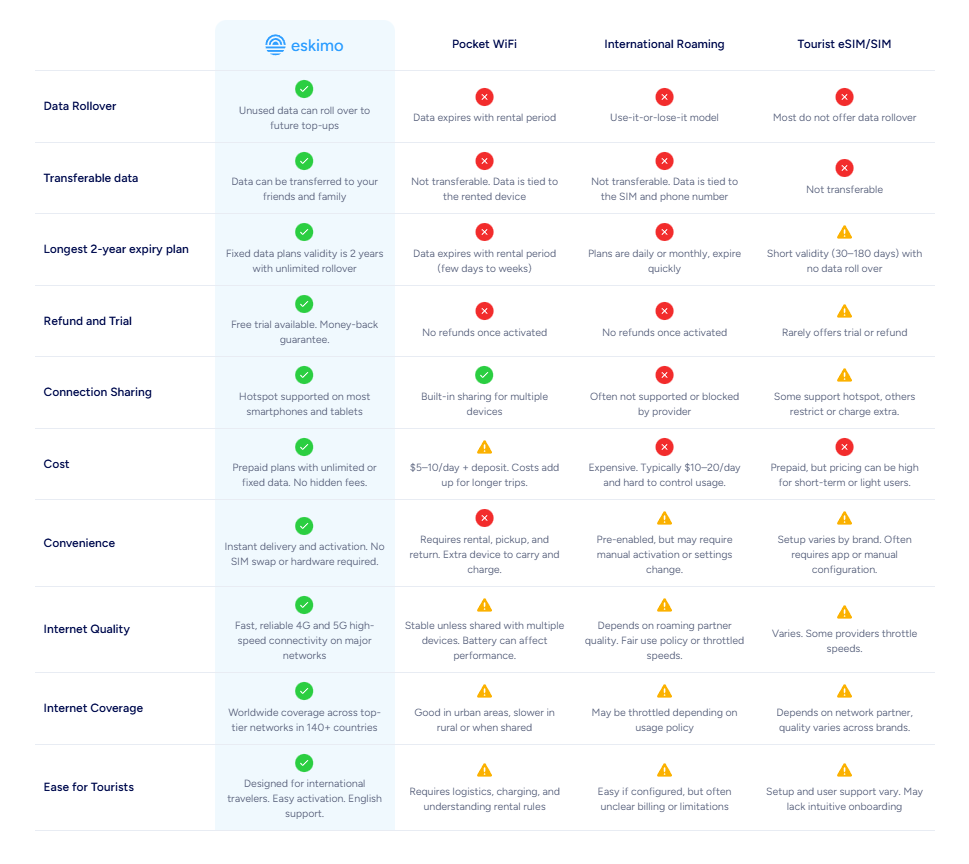
Eskimo.Travel isn’t the only player in the eSIM space, but it’s leaning into a few features that appeal to repeat travellers:
Data that lasts up to two years, instead of expiring in a month
Unused data rolls over, so it doesn’t go to waste
You can send data to friends or family, even if they’re in another country
Once installed, the eSIM stays on your phone for future trips
For someone who travels a few times a year, that means less planning — and fewer last-minute scrambles at the airport.
Enjoying this article?
Subscribe to get more stories like this delivered to your inbox.
But it’s not a clear win for everyone
That said, eSIMs aren’t perfect. Local SIM cards can still be cheaper in some countries, and network speeds can vary depending on the provider behind the scenes. With more telcos and tech companies entering the space, travellers now have more choices — but also more confusion about what actually works best.
The bigger shift in how we travel
What’s changing isn’t just the technology — it’s expectations. Today, most people assume they’ll be connected the moment they land, whether it’s to book a ride, message family, or navigate a new city. And increasingly, they don’t want to think about how that connection happens.
Whether it’s Eskimo.Travel or another player that wins in the long run, one thing is clear: The days of swapping SIM cards at airport kiosks may be numbered.
Public Relations