
Oil rises as Iran adopts tougher military stance, putting Strait of Hormuz back in focus

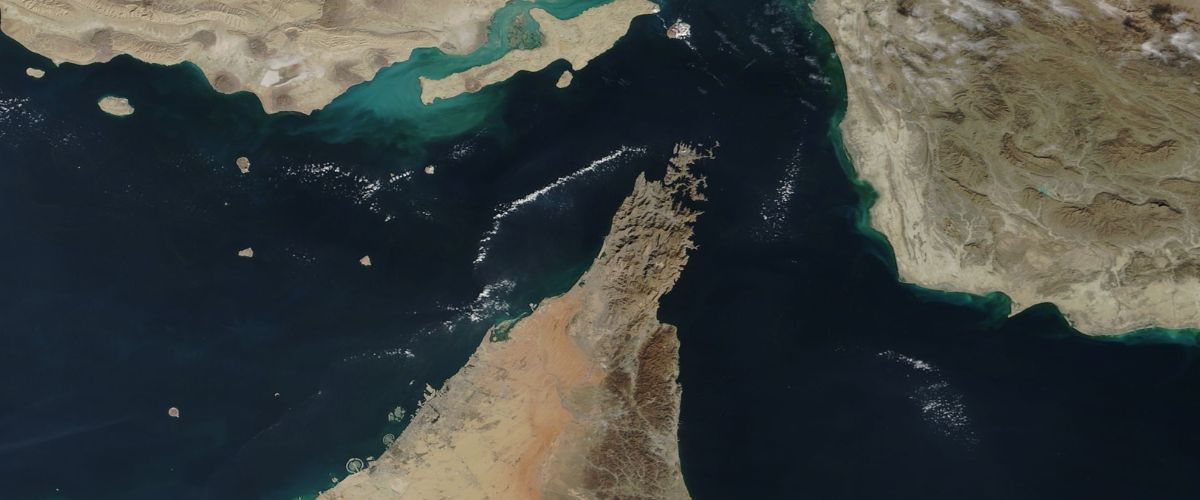
Photo: Satellite image of the Strait of Hormuz
INTERNATIONAL: Oil prices rose on Tuesday as hopes of a diplomatic resolution to the Middle East war faded further, with Iran shifting to a more aggressive military stance and Washington ruling out any extension of a temporary ceasefire agreement, according to CNBC.
Brent crude futures climbed 27 cents, or 0.3%, to US$91.14 (S$116.51) by early Tuesday morning GMT, after reaching their highest level since July 30 on Monday.
US West Texas Intermediate crude futures were up 42 cents to $85.04 a barrel, having earlier touched $85.37. This was their highest since July 31.
A senior Iranian official told Reuters on Monday that Iran would shift to a “fully offensive” military posture after negotiations toward a permanent end to the US-Iran war stalled, as Washington simultaneously ruled out extending the temporary ceasefire. The Strait of Hormuz, through which a significant share of global oil flows, remains effectively closed to normal tanker traffic.
Yemen’s Houthis also attacked a Saudi military ship and four escort vessels in the Red Sea with missiles, compounding pressure on the region’s two critical energy chokepoints.
Netizens react
Online responses to the escalation reflected anxiety about consequences beyond the oil price itself.
One commenter raised overlooked supply chain vulnerabilities: “No one talks about fertiliser or helium. There is a shortage of both, which will threaten food production and the production of computer chips. And countries are reducing their treasury holdings, which makes a strong case for gold.”
Enjoying this article?
Subscribe to get more stories like this delivered to your inbox.
Another framed the broader economic damage in stark terms: “Economically this is a disaster for the entire globe with little to no upside for anyone.” A third offered a longer-term perspective: “I think this crisis will cause permanent damage to oil markets and demand destruction.”
Read also: US pays German energy firm US$1.2 billion to scrap offshore wind projects
Writer