
Trump rejects Iran's Strait of Hormuz reopening proposal as Houthi attacks escalate and oil markets remain under pressure
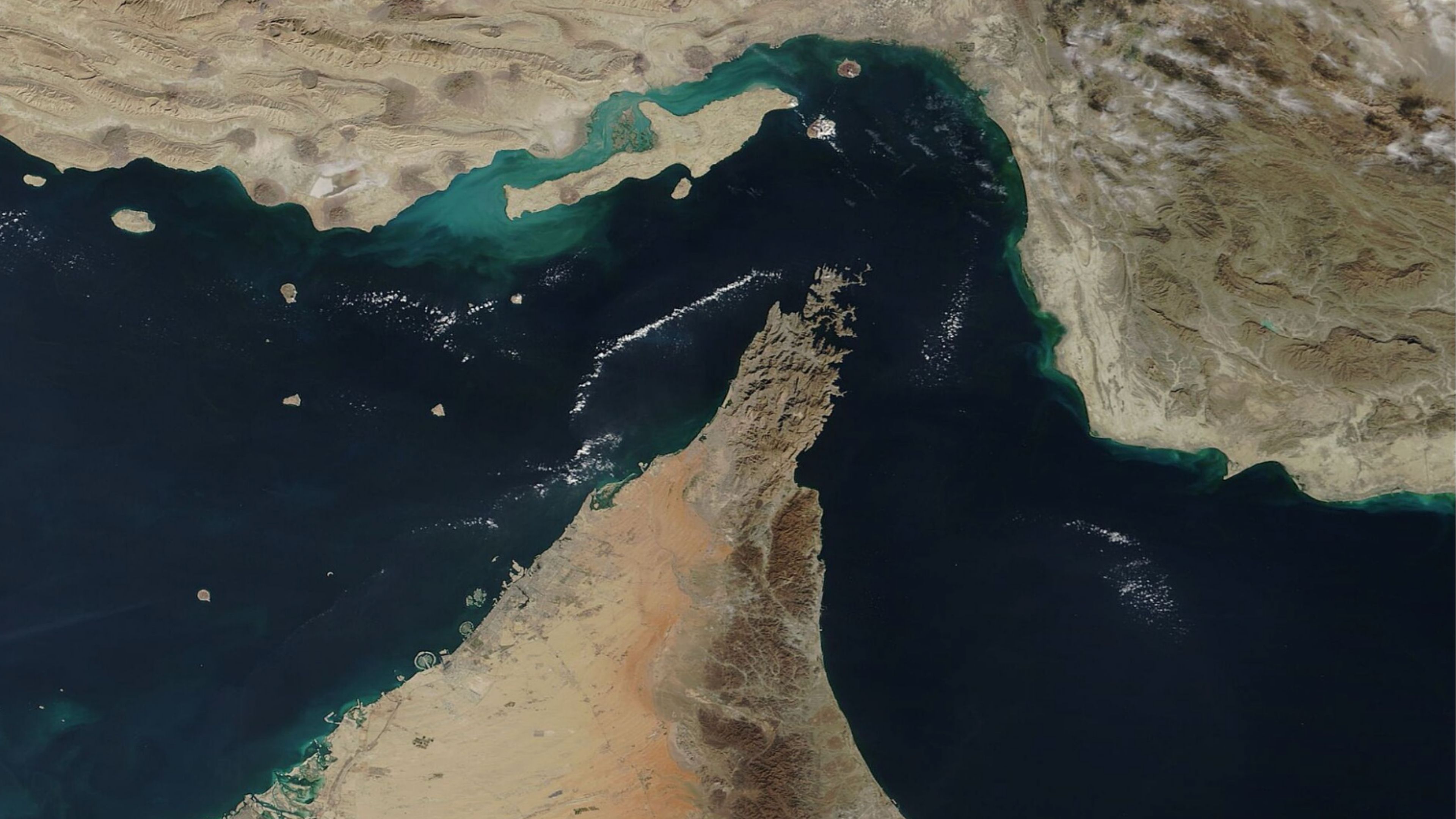
A satellite image of the Strait of Hormuz
USA: President Donald Trump has rejected an Iranian proposal to reopen the Strait of Hormuz to commercial shipping within seven days, calling the deal “not acceptable” and claiming the US already has “total control” of the vital waterway. According to BBC, Iran said it would wait for an official response from mediators and Houthi attacks on Saudi oil infrastructure added further pressure to already strained global energy markets.
“I’m rejecting their deal,” Trump told reporters at the White House on Saturday, adding that Tehran wanted to make a deal to open the strait immediately “because they’re losing so badly.” BBC further quoted him saying: “They want to make a deal, and I think that’s fine. I like making a deal, too. But that deal would not be acceptable.”
What Iran proposed
Iranian Foreign Minister Abbas Araghchi told reporters at the UN General Assembly in New York on Friday that the strait could be reopened and normal maritime passage restored within seven days “if the necessary conditions are met” — conditions he said were already contained in a memorandum of understanding signed by the US and Iran in Pakistan in June.
“The actions that the United States should take are not new. They are all already in the MOU. The choice now rests with the United States,” Araghchi said, as quoted by the BBC. Iranian President Masoud Pezeshkian separately told CBS News that if the US agreed to proceed on the basis of the MOU, “everything will return to the way it was before.”
The 14-point MOU was designed to bring about a ceasefire and partially reopen the strait. It stated that Iran would never have a nuclear weapon, that both sides and their allies would end military operations on all fronts, and contained provisions including ending a US naval blockade and other sanctions. The deal broke down after both sides resumed strikes.
Iran waits for mediators
Responding to Trump’s rejection, Araghchi wrote on Telegram that Trump “has made many good statements, as well as many contradictory ones, which unfortunately we hear frequently.” He said Tehran would wait for mediators to convey definitive positions before making a decision.
BBC added how Oman, which has been acting as a mediator between Washington and Tehran, called on all parties to continue open dialogue. Oman’s foreign minister told the UN General Debate that all parties should cooperate with Oman’s efforts to safeguard navigation in the waterway.
Kirsten Fontenrose, who served on the National Security Council during Trump’s first term, told the BBC there was no appetite for restarting the MOU conversation in Washington, with the deal viewed as unfavourable and Iran “pushing against a very closed door.”
The Wall Street Journal, citing officials, reported that Trump is sceptical that Iran will meet his demands and has told staff he sees a renewed bombing campaign as probable.
Enjoying this article?
Subscribe to get more stories like this delivered to your inbox.
Houthis intensify pressure
The situation has been further complicated by Houthi attacks on Saudi Arabia’s oil infrastructure. Yemen’s Iran-aligned Houthis, who recently seized strategic stretches of Yemen’s Red Sea coast including the port of Mokha and positions overlooking the Bab al-Mandeb Strait, launched two ballistic missiles and drones toward Saudi Arabia on Saturday, which the Saudi-led coalition said it intercepted. US media reported Saudi leadership has requested military support from Trump.
The simultaneous threat to both the Strait of Hormuz and the Bab al-Mandeb has driven significant volatility in global oil prices since the conflict began in February.
Trump told the UN General Assembly this week that he believed a deal with Iran would come after November’s midterm elections, while separately musing about whether to “annihilate the Islamic Republic” and rebuild it. According to the BBC, Araghchi responded on Friday that “peace cannot be built through threats of annihilation.”
Writer