
Pentagon splits Iran war casualty count, reclassifying deaths as 'Overseas Operations' — veterans call it erasure and disrespectful

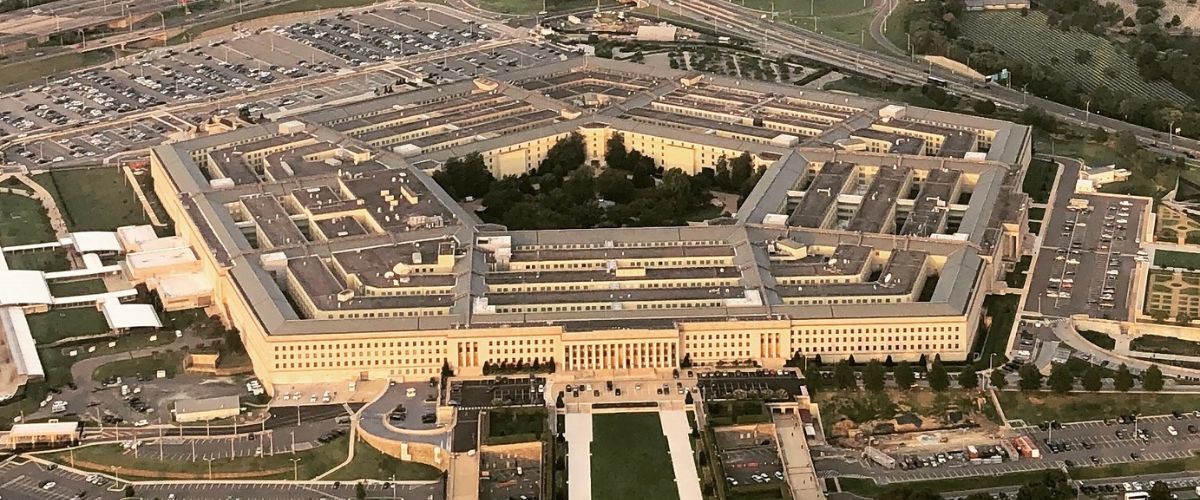
Photo: A view of the Pentagon from above the Potomac River
USA: The United States Department of Defense, renamed the Department of War under Donald Trump, has quietly introduced a new casualty classification that splits the count of American service members killed and wounded in the Iran war, with deaths from July 7 onward listed under a separate category labelled “Overseas Operations” rather than being counted as part of the ongoing conflict.
According to The Guardian, the change was made in a weekend update to the Defense Casualty Analysis System, the military’s official casualty database, which also added more than 140 wounded service members to the record.
Four US service members killed by Iranian forces fall under the new “Overseas Operations” category: 1st Lt Tyler James Feehan, Pvt Isabella Gonzales, Sgt Angel S. Rampersad, and Sgt Michael Emmanuel Swinton.
Veterans say it’s disrespect for the dead
The reclassification has drawn immediate condemnation from veterans, who have described it as an attempt to minimise the visible human cost of a war that began in February when the United States and Israel launched operations against Iran.
“It’s such a huge disrespect for the families,” Michael E Smith, a retired US rear admiral and founder of National Security Leaders for America, who completed combat tours in Iraq, Bosnia, and Kosovo, was quoted as saying by The Guardian. “To claim that they weren’t killed as a result of the war — oh, it was just overseas operations — is just ludicrous.”
Smith drew a direct comparison to the manipulation of Pentagon casualty data that characterised the Vietnam War era. “It’s so disrespectful to our service members who gave their lives, and the only reason they died was because Donald Trump decided to do this illegal war. Obviously their boss doesn’t want to hear about deaths. Well, here’s one way we can make it look like there’s not as many deaths.”
Tristeza Ordex, a US Marine Corps veteran and national organiser at VoteVets, said the issue extended beyond numbers. “I definitely think that this isn’t an issue just about numbers, but also about accountability,” she said.
Ordex, who lives near Dallas, spoke personally about Pvt Isabella Gonzales, 19, who was from Carrollton, Texas. She was not yet born when Ordex first enlisted in 2004. “Thinking about it now makes me emotional, to think about how we have people coming home now, 19 years old,” she said. “I think about people like her that were excluded. Not only are Latinos being excluded from so much more and being targeted: we have this person that paid the ultimate sacrifice for this country who isn’t even being recognised as a casualty of this war, so it feels like erasure.”
The legal argument behind the split
The reclassification appears to rest on the Trump administration’s interpretation of the War Powers Act of 1973, which requires the president to end military operations within 60 days unless Congress authorises an extension, which it has not.
Enjoying this article?
Subscribe to get more stories like this delivered to your inbox.
The administration has argued that the April ceasefire with Iran effectively paused the 60-day clock from May 1. The separate casualty count beginning on July 7 follows from that interpretation, treating the resumption of hostilities after the ceasefire broke down as a legally distinct operational period.
Democratic Senator Kirsten Gillibrand of New York, a member of the Senate Armed Services Committee, said the administration owed the public transparency about the conflict’s true human cost. “Americans deserve the truth about the human cost of President Trump’s Iran war, and I will not stop fighting until this administration gives our military members and their families the transparency and accountability they deserve,” she said.
Writer