
Gallup report: Philippines tops Southeast Asia stress rankings at 50%—Singapore at 43% is second highest in the region

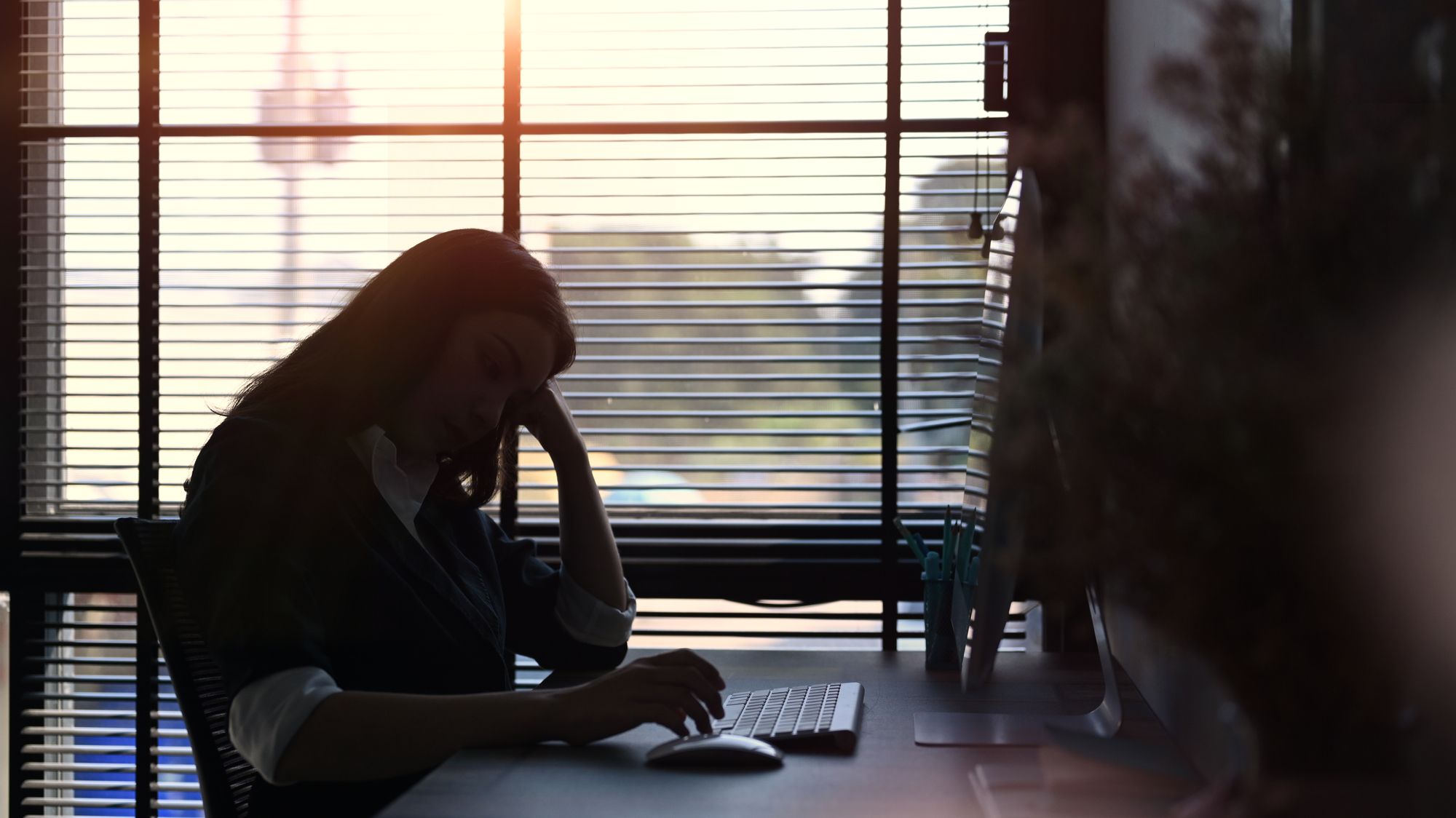
PHILIPPINES: The Philippines has emerged as Southeast Asia’s most stressed workforce, with half of all Filipino workers reporting that they experienced stress “a lot of the day” in 2025, double the regional average and above the global average, even as workplace stress levels declined across much of the rest of the region.
The finding comes from Gallup’s State of the Global Workplace 2026 Report, analysed by Dr. Rogelio Alicor Panao, a University of the Philippines Diliman associate professor and Inquirer data scientist, who described the Philippines as “a clear outlier” in the regional picture.
A trend moving in the wrong direction
The 50% figure represents a gradual but consistent rise in Filipino workplace stress, up from 45% in 2022. It is double the Southeast Asian regional average of 25% and exceeds the global average of 40%.
The contrast with neighbouring countries is suprisingly stark. Vietnam saw daily stress among workers fall sharply from 35% in 2021 to just 13% in 2025, while Thailand recorded a decline from 41% to 25% over the same period. Malaysia, Indonesia and Laos all reported stress levels ranging from 14% to 26%, which are all below the regional average.
“At 50%, the share of Filipino workers reporting daily stress in 2025 is nearly four times Indonesia’s 14% and exceeds Cambodia’s 34% and Singapore’s 43%,” Panao noted, as quoted by Inquirer.
High engagement, but not at the cost of stress
What makes the Philippine case particularly striking is that it comes alongside one of the highest employee engagement rates in Southeast Asia, which is at 39%. In most contexts, engaged workers tend to report lower stress, but the Philippine data suggests the two can co-exist.
“This suggests engagement does not necessarily shield workers from stress and may, in some contexts, coexist with sustained pressure,” Panao said, adding that “unlike much of Southeast Asia, where stress is declining, the Philippine case continues to raise questions about working conditions and the pressures associated with sustained job intensity.”
Happy at work, but burning out
The Gallup findings sit alongside a seemingly contradictory result from the Workplace Happiness Index: Philippines 2025 by Jobstreet by SEEK, which found that 77% of Filipino employees described themselves as either “extremely happy” or “somewhat happy” at work, placing the Philippines second in the Asia-Pacific region.
Workers increasingly associate workplace happiness with a sense of purpose, meaningful work, and opportunities for learning and growth alongside salary and flexibility.
But the same survey also pointed to persistent pressure beneath the surface. Only 41% of Filipino workers said they felt in control of their stress levels. Some 38% reported feeling burned out or extremely exhausted from work. And more than half, at 55%, said they think about changing careers somewhat or extremely often.
What the research says about why
The Gallup findings are consistent with earlier Philippine research on workplace conditions and mental health. According to Inquirer, a study by UP Open University researchers, which surveyed 173 PhilHealth employees working remotely during the pandemic, found that 96.32% experienced moderate stress and 49.69% reported mild anxiety symptoms.
Crucially, the researchers found no significant association between stress levels and personal factors such as age, gender, marital status or income. Instead, workplace conditions, referring to higher job demands, technological challenges, blurred work-life boundaries, and feelings of isolation, emerged as the primary drivers. The study recommended clearer communication systems, improved technology access, and stronger virtual social connections within organisations.
Experts call for systemic fixes — not just individual coping
Health experts have framed the issue as one that requires structural solutions rather than individual-level interventions. At a previous DOLE forum, clinical psychologist Dr. Carolina Uno-Rayco described burnout as “a syndrome resulting from chronic workplace stress that has not been successfully managed,” warning that prolonged stress contributes to both physical and mental health problems.
Inquirer also reported that psychologist Dr. Mary May Fernando went further by urging employers to identify and address psychosocial hazards in the workplace, review workloads, and rethink work pace, emphasising that “the goal is to ‘fix the job,’ not just ‘fix the person.’”
Enjoying this article?
Subscribe to get more stories like this delivered to your inbox.
The data suggests that as long as the focus remains on helping individuals cope rather than addressing the conditions that create chronic stress, the Philippines is likely to remain an outlier in the regional picture, and the numbers may unfortunately continue to rise.
A shared pressure, different in degree
The Philippine data offers a useful mirror for the region, including Singapore, where 43% of workers reported daily stress, placing it second highest in Southeast Asia behind the Philippines. While Singapore’s figure sits just around the global average of 40% in some readings, it is still significant for a country that has long grappled with overwork culture, long hours, and the pressure of high living costs.
What the combined data from Gallup and Jobstreet suggests is that economic development and workplace satisfaction do not automatically translate into lower stress. More than that, engagement can coexist with sustained pressure rather than replace it, like in the case of the Philippines. For employers and policymakers across the region, perhaps the takeaway may be less about measuring happiness and more about asking what conditions are quietly wearing workers down beneath it.
The question of how to fix the job rather than just the person, as Dr. Fernando put it, is one that applies as much in Singapore as it does in Manila.
Writer