
Trump's new tariffs face immediate legal challenge — experts say Section 301 is being used in a 'fundamentally different way'

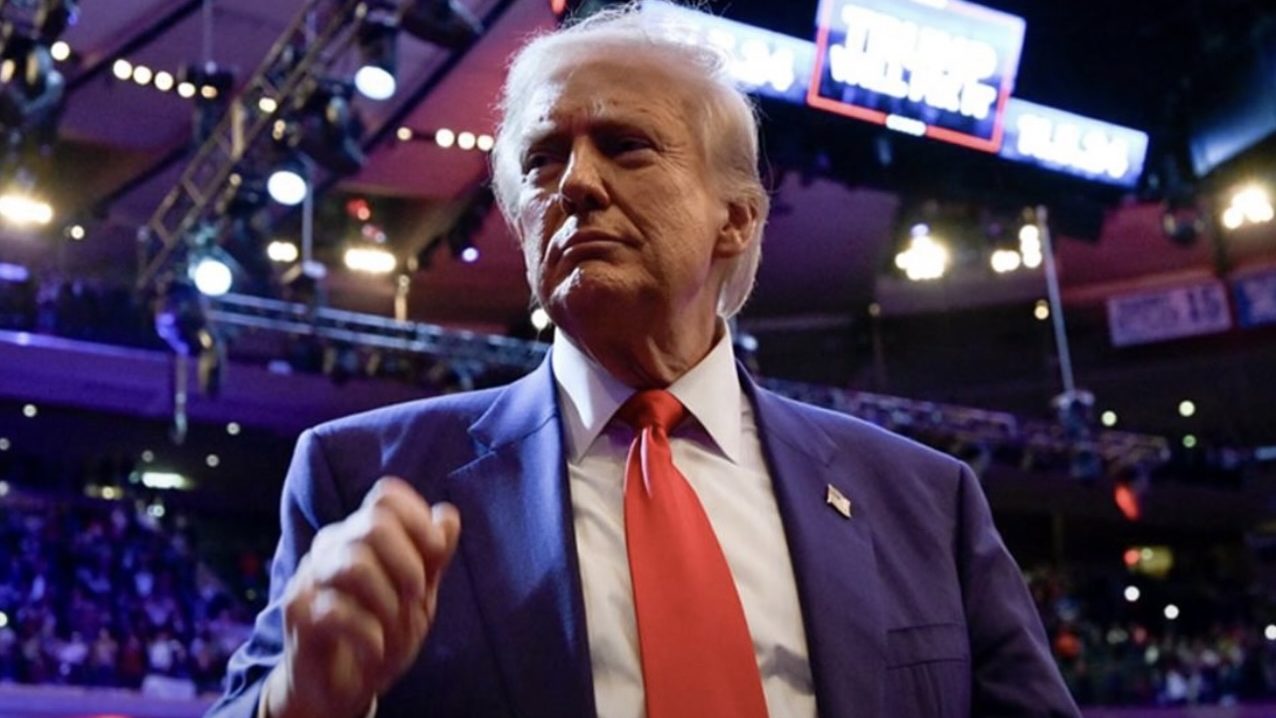
Photo: President Donald Trump displaying the headline "Trump acquitted" in 2020
USA: President Donald Trump’s latest round of tariffs on goods from more than 80 countries took effect Friday and were challenged in court within hours. Legal experts say this could be the opening round of the same fight the administration already lost at the Supreme Court level earlier this year.
According to CNBC, the tariffs, imposed under Section 301 of the Trade Act of 1974 on the grounds that affected countries have failed to effectively prohibit goods made with forced labour, cover trading partners accounting for 99.4% of US trade. But trade law experts are already questioning whether the forced labour framing is a legally sustainable basis for tariffs of this scope, or whether the administration is simply using a different statutory vehicle to rebuild the global tariff regime the Supreme Court struck down in February.
The legal argument against the tariffs
Section 301 has been used across multiple presidential administrations to impose targeted tariffs in response to specific unfair trade practices. What it has never been used for, according to Peter Harrell, visiting scholar at Georgetown University Law Center’s Institute of International Economic Law, is what Trump is doing with it now.
“Trump is using the statute in a fundamentally different way,” Harrell told CNBC. Section 301 was “never intended for the president to just wholesale rewrite the tariff schedule” and impose “permanent” duties on nearly all US trade partners simultaneously, he said. He also added that the latest use of it could “for sure” be struck down in court.
Kimberly Clausing, professor of tax law at the UCLA School of Law and a senior fellow at the Peterson Institute for International Economics, was equally direct: “In my view, the Section 301 tariffs are clearly unlawful.”
The lawsuit, filed hours after the tariffs took effect
The legal challenge arrived almost immediately. Two small businesses, represented by the Liberty Justice Center, which is the same nonprofit that successfully challenged Trump’s earlier IEEPA-based tariffs, filed suit in the US Court of International Trade on Friday.
The suit argues that the Section 301 tariffs, while ostensibly addressing forced labour, are “designed to preserve substantially the same broad tariff regime that this Court and the Supreme Court have held Congress did not authorize.” It notes the suspicious timing: the new tariffs took effect precisely as the previous batch, imposed under Section 122 after the Supreme Court struck down the IEEPA tariffs, expired.
“Section 301 is not a freestanding authorization to tax substantially all imports from substantially all trading partners at rates selected to replicate the invalidated IEEPA tariff regime rather than to eliminate identified foreign practices,” the lawsuit states, as quoted by CNBC.
Netizens react
Public reaction to the news was pointed, with many commenters focusing less on the legal mechanics and more on what they see as the practical effect on ordinary consumers. “So American citizens will pay the tariffs, again. And when they’re found to be illegal, the companies we already paid the tariffs for will get reimbursed, again,” one netizen commented.
Another took that logic further: “This is literally the plan. Collect tariffs until the courts declare it illegal. Companies get the money back but consumers will never see a dime. Pure profit.”
One user laid out what they described as a deliberate financial cycle: “So this is the new game then? Announce tariffs, get money from said tariffs, have Howard Lutnick bet against the tariffs, tariffs get refunded and then redistribute the refunds. Just a gigantic circle of seize and redistribute?”
Enjoying this article?
Subscribe to get more stories like this delivered to your inbox.
Others focused on the structural reality that legal challenges take time, and tariffs collect money in the interim. “This will keep happening until a judge comes and says that it’s illegal. This is the point. You can beat the rap but you can’t beat the ride.”
One commenter asked the practical question that will eventually need answering: “How many years will this take to get to the Supreme Court? When they ultimately decide that these new tariffs aren’t legal, who’s going to get the money back? Will the businesses get all of the money again?”
What the lawsuit and the expert commentary together show is a legal strategy of escalating substitution: when one tariff authority is struck down, move to the next available statute and impose similar tariffs under a different justification.
Whether courts will accept that the forced labour framing provides genuine legal cover for tariffs on 99.4% of US trade, or whether they will see it as the same global tariff regime in a new wrapper, is the main question that’s yet to be answered.
Read related: US pays out $81 billion in tariff refunds after Supreme Court ruling, as deficit climbs and new duties loom
Writer