
US to hit Brazil with 25% tariffs from July 22, with total burden potentially reaching 37.5%

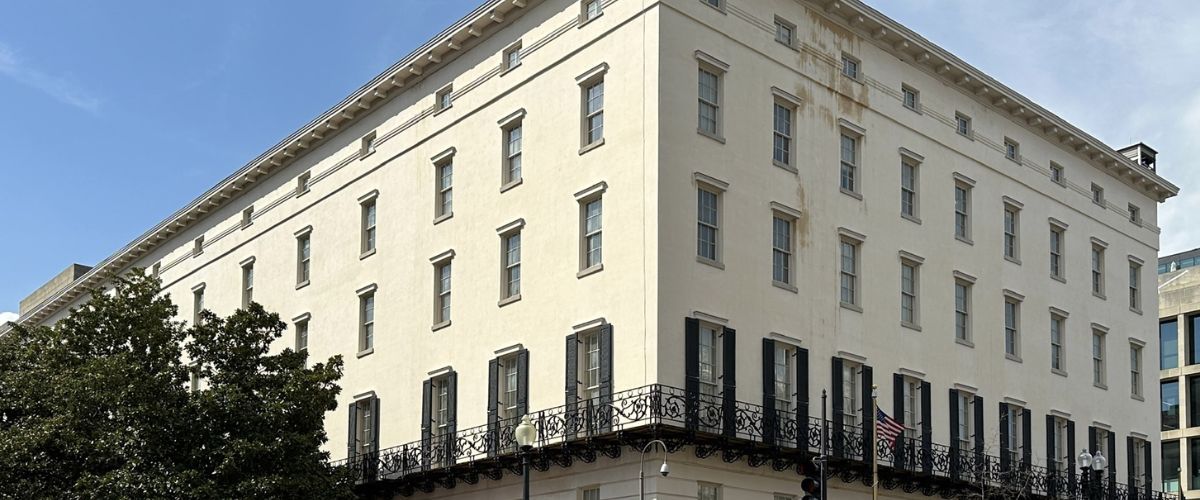
Photo: United States Trade Representative offices in Winder Building, Washington, DC
USA: The United States will impose a 25% tariff on a range of Brazilian imports beginning July 22, after a yearlong Section 301 investigation concluded that Brazil had engaged in unfair trade practices. According to CNN, this is one of the first new tariffs to be implemented since the Supreme Court struck down the legal basis of President Donald Trump’s earlier sweeping import taxes earlier this year.
United States Trade Representative Jamieson Greer announced the measures late Wednesday (July 15), saying the investigation found that Brazilian policies harm American interests across a range of areas, including digital trade, ethanol market access, and illegal deforestation.
Secretary of State Marco Rubio did not mince words in a post on X. “President Lula and his government have not negotiated with the US in good faith. His economic policies are bad for Americans and bad for Brazilians. For the past year, Lula has put his own ego ahead of making a deal for the welfare of the Brazilian people, and these tariffs are the price for that.”
The tariff will apply to a broad range of Brazilian products, but notably exempts several of the country’s major exports, including coffee, beef, avocados, Brazil nuts, petroleum oils, and aircraft parts, according to the notice published by the USTR.
Greer said the US remains open to continuing negotiations with Brazil to resolve the underlying issues.
The 25% tariff may not be the final word. Brazil is also subject to a separate Section 301 investigation into allegations of forced labour in its supply chains. This probe is due to conclude next week and is expected to result in an additional 12.5% tariff. If that goes ahead, Brazil’s total tariff burden would reach 37.5%.
According to CNN, Brazilian President Luiz Inácio Lula da Silva rejected the measures forcefully, calling them “illegal and arbitrarily imposed” and saying there was “no justification” for the tariffs. He said Brazil would pursue countermeasures under its Reciprocity Law while also seeking a resolution through the World Trade Organization.
Why this matters
Brazil is one of the world’s largest agricultural exporters and a significant trading partner for countries across Asia, including Singapore, that depend on global commodity supply chains for food imports. While the exemptions for coffee, beef, and Brazil nuts limit the immediate impact on key agricultural flows, the broader tariff action and the prospect of countermeasures from Brasília add another layer of uncertainty to an already volatile global trade environment.
Enjoying this article?
Subscribe to get more stories like this delivered to your inbox.
The escalating tariff agenda, now being pursued through Section 301 after the Supreme Court constrained the original approach, shows that trade friction between the US and a widening circle of trading partners is likely to continue well beyond the July 22 deadline. Unfortunately, this may have implications for global supply chains, commodity prices, and diplomatic relationships that extend far beyond the US-Brazil relationship.
Read also: US economy adds just 57,000 jobs in June, weakest hiring since February as wages lag inflation
Writer