
PH Department of Nat'l Defense: PH marks 75th anniversary of Mutual Defense Treaty with US, reaffirms alliance amid tensions

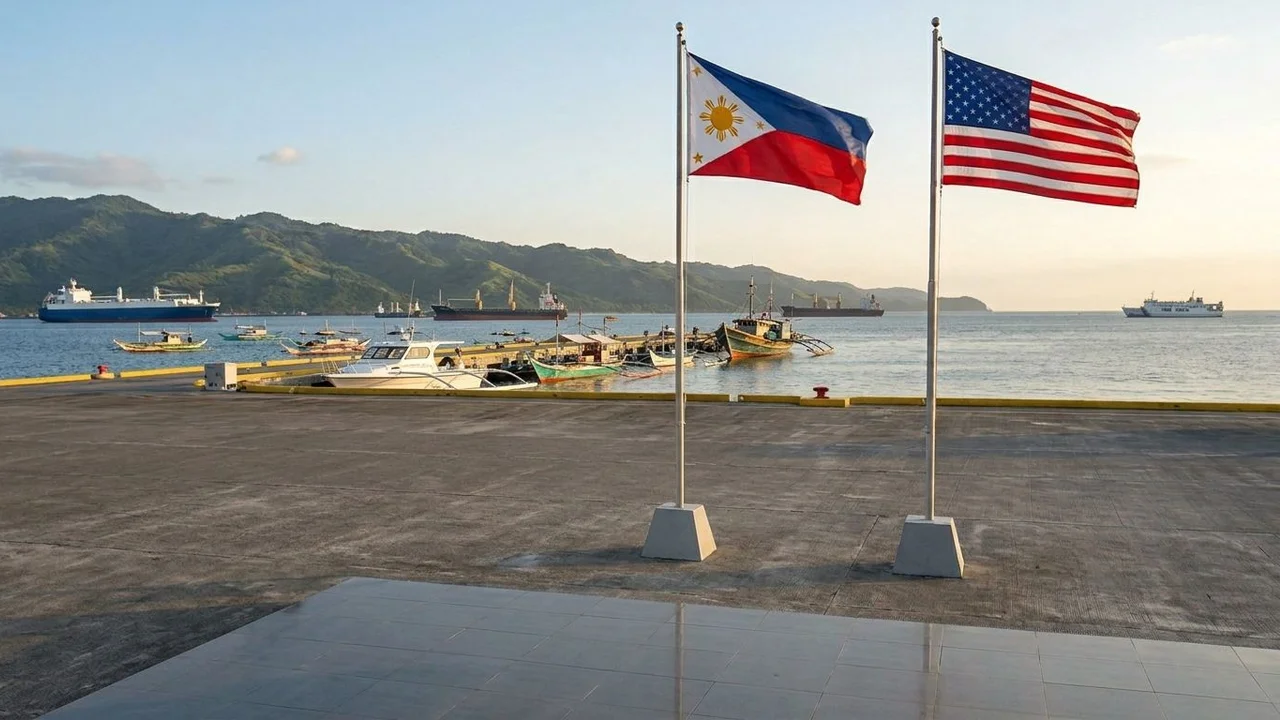
INTERNATIONAL: The Philippines has marked the 75th anniversary of its Mutual Defense Treaty (MDT) with the United States, with both the Department of National Defense (DND) and the Armed Forces of the Philippines (AFP) reaffirming their commitment to the alliance as the country navigates an increasingly complex regional security environment.
Signed on August 30, 1951, the MDT provides the foundational framework for the Philippine-American defence alliance and obligates both countries to respond to armed attacks on either party in the Pacific.
The DND described the treaty as a “cornerstone” of the two countries’ shared commitment to peace, stability, and the defence of a free and open Indo-Pacific, noting that the alliance has evolved significantly alongside the changing security landscape. It cited the growing scope of bilateral and multilateral military exercises, operational coordination, capability development, maritime security cooperation, and humanitarian assistance and disaster response as evidence of the alliance’s expanding depth.
“These efforts have enhanced interoperability, strengthened deterrence, and demonstrated our collective resolve to uphold regional security and stability,” the DND said, as quoted by the Philippine News Agency (PNA).
A treaty reinforced over decades
The MDT has been buttressed over the years by additional defence arrangements, including the Visiting Forces Agreement and the Enhanced Defense Cooperation Agreement. The latter allowed US forces access to designated Philippine military facilities and enabled a more persistent American military presence in the country.
The alliance has taken on renewed significance as the Philippines faces persistent tensions with China in the South China Sea, particularly around Ayungin Shoal and other features within the Philippines’ exclusive economic zone.
Manila has been accelerating the modernisation of its armed forces and deepening its external defence partnerships in response to the more challenging security environment.
The AFP’s commitment
The Armed Forces of the Philippines separately reaffirmed its commitment to the alliance, citing military exercises, maritime security cooperation, and humanitarian assistance engagements as areas of ongoing cooperation.
“As we mark this milestone, the AFP reaffirms its commitment to further strengthen the alliance, enhance our defence capabilities and interoperability, and contribute to a free, open, peaceful, and secure Indo-Pacific,” it said, as reported by the PNA.
Enjoying this article?
Subscribe to get more stories like this delivered to your inbox.
Why this matters for Singapore
The Philippine-American alliance is a key pillar of the security architecture in Southeast Asia and the wider Indo-Pacific.
As South China Sea tensions persist and the regional security environment becomes more contested, the durability and operational depth of the US-Philippines alliance has direct implications for how maritime disputes are managed and how the rules-based order is upheld across the region.
Ultimately, for better or for worse, these are matters in which Singapore has a direct and longstanding interest.
Writer