
ASEAN and US endorse new two-year trade work plan as two-way merchandise trade hits US$550.5 billion

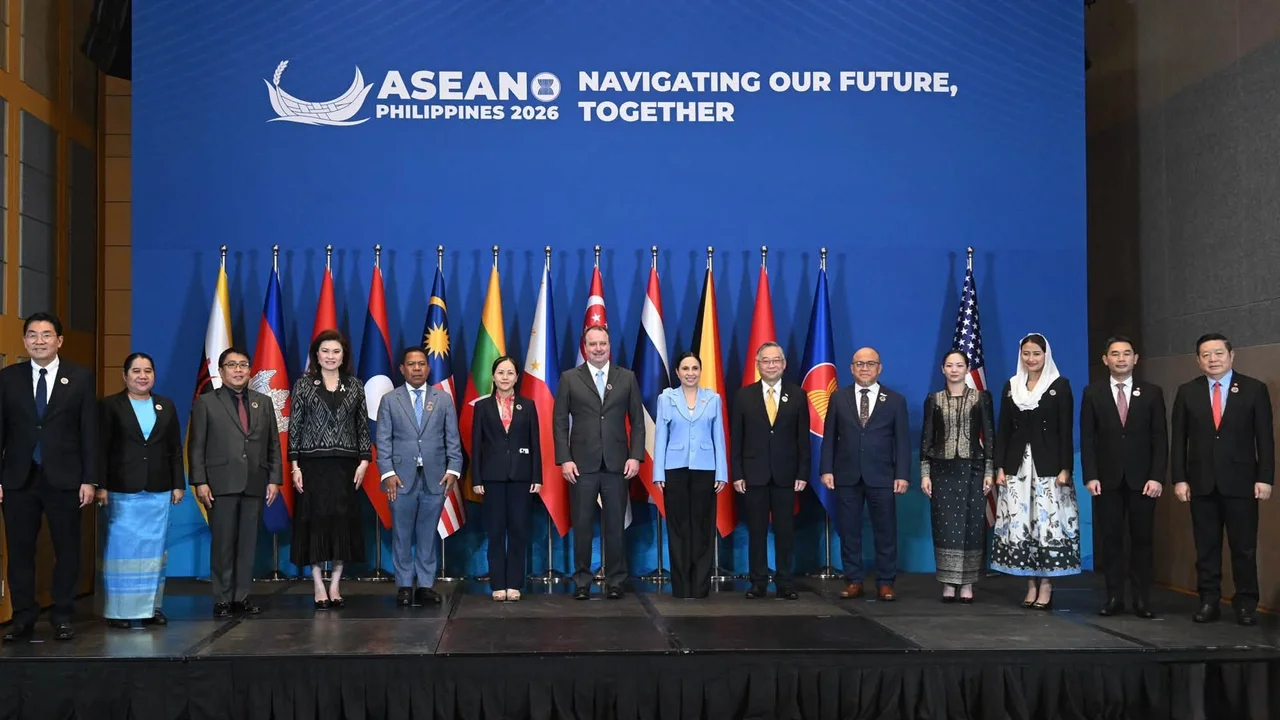
INTERNATIONAL: ASEAN and the United States have endorsed a new 2026–2027 Trade and Investment Framework Arrangement (TIFA) Work Plan, deepening economic cooperation across the digital economy, agriculture, trade facilitation, and micro, small and medium enterprises as both sides navigate a challenging global economic environment.
According to the Philippine News Agency (PNA), the work plan was endorsed at the ASEAN Economic Ministers-United States Trade Representative Consultation in Manila on Sunday, co-chaired by Philippine Trade Secretary Ma. Cristina Roque and US Deputy Trade Representative Ambassador Rick Switzer.
Based on preliminary ASEAN statistics, two-way merchandise trade between ASEAN and the US reached US$550.5 billion (S$702.22 billion) in 2025, while US foreign direct investment into the region stood at US$30 billion during the same period. Both sides reaffirmed their commitment to maintaining and expanding trade and investment ties as they navigate regional and global economic challenges, including the need to keep trade corridors open and strengthen supply-chain resilience.
What the new work plan covers
According to PNA, the 2026–2027 TIFA Work Plan builds on the previous cycle’s outcomes in areas including the digital economy, trade facilitation, intellectual property rights, good regulatory practices, and agriculture. The latest plan identifies deeper cooperation areas spanning the digital economy, MSME development, trade facilitation, intellectual property rights, standards, good regulatory practices, labour, agriculture, competition and consumer protection, and strategic trade management.
Ministers also recognised the role of the US-ASEAN Connect Series in promoting digital cooperation and connecting businesses, investors, and entrepreneurs, alongside the ASEAN-US Partnership Programme’s technical assistance and capacity-building support for member states.
Keeping the TIFA relevant
The ASEAN-US TIFA, originally signed in 2006, has served as the primary platform for economic engagement between the two sides for two decades. Ministers underscored the importance of ensuring the framework “remains relevant, responsive, and forward-looking” and aligned with the evolving priorities of both ASEAN and the United States.
Both sides also reaffirmed the importance of working together to improve the World Trade Organization and welcomed plurilateral initiatives in advancing discussions on emerging trade issues.
Enjoying this article?
Subscribe to get more stories like this delivered to your inbox.
Why this matters for Singapore
Singapore is one of the US’s most significant trade and investment partners in Southeast Asia, and the health of the broader ASEAN-US economic relationship directly affects the regional trade architecture within which Singapore operates.
The emphasis on supply-chain resilience and keeping trade corridors open is particularly relevant at a time when the US-Iran conflict, tariff uncertainty, and global supply chain disruptions are already reshaping how companies source and route goods through the region. A robust ASEAN-US TIFA framework provides a degree of stability that benefits Singapore’s role in the region.
Read also: ASEAN targets greener, higher-quality investments as FDI hits record US$243.9 billion
Writer