
PH urges diplomacy as Middle East tensions escalate following ship strikes and US action against Iran

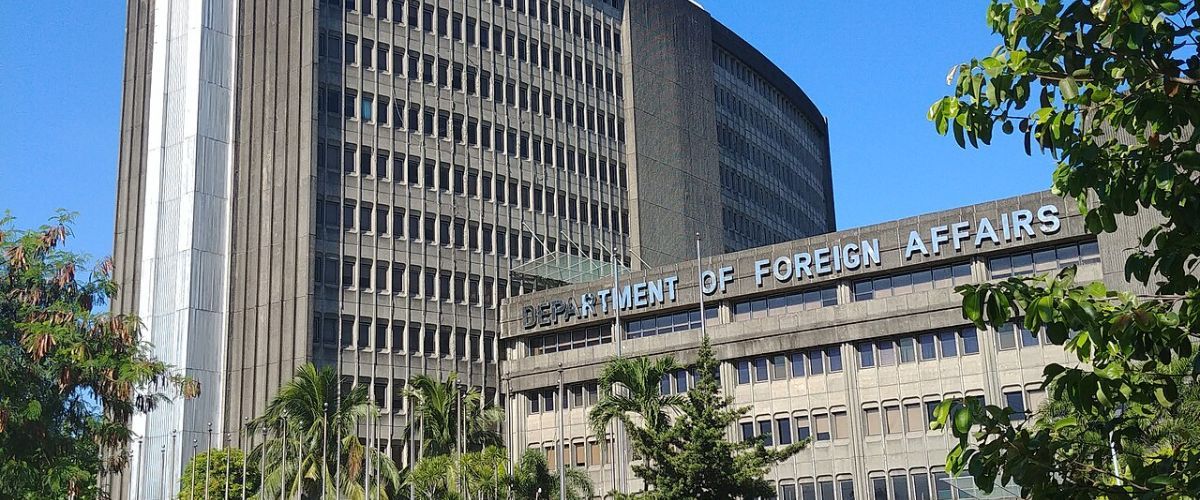
Photo: Philippine Department of Foreign Affairs
PHILIPPINES: The Philippines has voiced serious concern over the rapidly deteriorating situation in the Strait of Hormuz, after strikes on two ships transiting the strategic waterway prompted the United States to carry out strikes against Iran, raising fears that a fragile ceasefire may be unravelling.
According to the Philippine News Agency (PNA), the Philippine Department of Foreign Affairs (DFA) issued the statement on Monday, calling on all parties involved in the region to prioritise diplomacy and prevent further escalation of hostilities.
What happened
The statement came in response to attacks on two ships passing through the Strait of Hormuz, one of the world’s most critical maritime chokepoints through which a significant portion of global oil supply transits daily. The incidents prompted the US to strike Iran, raising alarm about the durability of the June 17, 2026 memorandum of understanding between the two countries, which had formed the basis of a ceasefire arrangement.
According to news reports, the strikes risk pushing the situation toward a threshold that could destabilise the peace process entirely.
The Philippines’ position
“The Philippines is gravely concerned with the recent developments in the Strait of Hormuz and the reported attacks in the Middle East,” the DFA was quoted as saying by the PNA, emphasising the importance of maintaining regional stability and urging conflicting sides to honour existing peace commitments.
“We continue to urge all involved parties to remain committed to the initial peace agreement and pursue constructive dialogue in finding a negotiated diplomatic solution to the conflict, as well as refrain from actions that could undermine the progress of the peace talks,” the DFA added.
Why this matters for the Philippines
The Philippines has particular reason to monitor the Strait of Hormuz closely. A significant number of Filipino overseas workers are based across the Middle East, and any escalation that disrupts the region’s stability directly affects their safety and livelihoods. The Strait of Hormuz is also critical to global shipping lanes, with disruptions capable of sending oil prices higher and rippling through economies across Southeast Asia, including the Philippines, which is heavily dependent on imported fuel.
Enjoying this article?
Subscribe to get more stories like this delivered to your inbox.
The Philippines’ call for diplomatic restraint reflects a consistent foreign policy position of supporting peaceful resolution of conflicts, while also signalling concern for the welfare of its diaspora in a region that appears to be edging toward renewed instability.
Read also: Philippines to receive US-backed support for energy sector overhaul amid push for greater investment
Writer